
4 small habits for more gratitude in everyday life
“Gratitude helps us to cultivate a focus on the good.”
Anne Katrin Matyssek 2014, p. 22
Perhaps you are wondering how you are supposed to feel grateful while living with eczema. But even if gratitude is sometimes a challenge, it can be practised. You can build small habits into your everyday life to become more grateful. We have put together a few exercises for you.
Mental subtraction: noticing what you take for granted
This exercise is a kind of thought experiment. Think of something that matters to you or that you are especially grateful for. It can also be something ordinary, like your home or the shoes you slip on when you go out. Next, imagine what your life would be like without these things. What would it be like to have no roof over your head? Or never to have known that person who is especially close to you? What if you had never had that experience abroad or on holiday? If you come across an emptiness while exploring these questions, this is where space opens up for gratitude. Sometimes we take a lot of what surrounds us for granted. But when we become aware of how much good fortune we already have, we see our reality in a different light.
As an Israeli proverb puts it: “You discover the true taste of water in the desert.”
Make regular reflection a ritual
At the end of the day, think about the good things that happened to you. For example, you can keep a gratitude journal and write down three to five things you can be grateful for every evening. It takes little time, and on a bad day you can leaf through a book full of gratitude. This also makes you more aware of the small things in everyday life that do you good. Of course, you can also do this exercise with friends or family, for example at shared meals.
Write a gratitude letter
For this exercise, first think of a person who has supported you in a special way. It could be your own mother or another relative, an old friend, a coach or a former teacher. Write to this person about how what they did has affected your life. You might also add how often you think back to it. Then send the letter, email it or read it out to them. Of course, you can also keep the letter yourself – but if the person gets to share in your gratitude letter, it will have a particularly positive effect on your relationship.
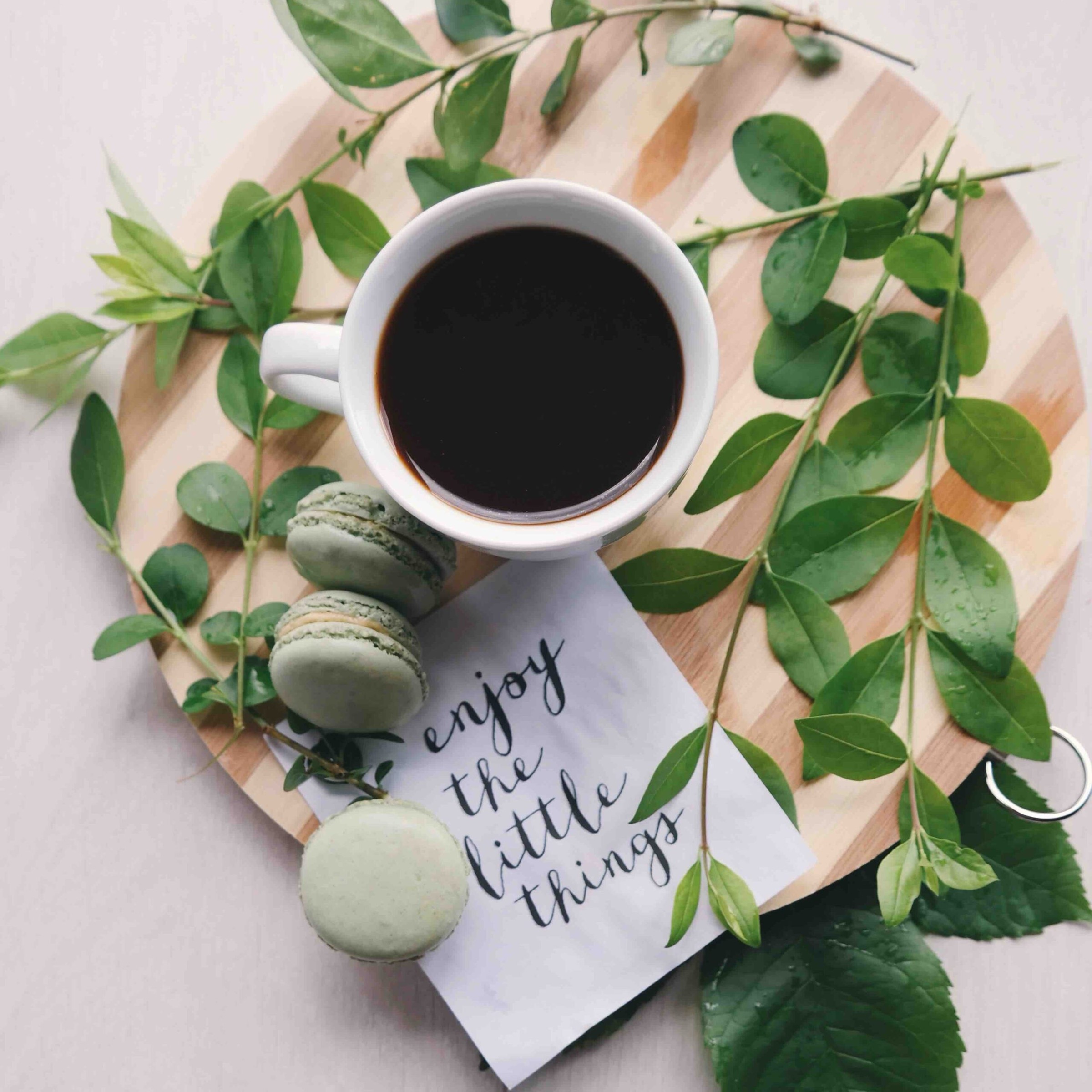
What are you grateful for today?
Gratitude meditation
Find a quiet place, close your eyes and breathe in and out slowly and deeply several times. Think of a person or a special situation in your life that you are especially grateful for. Focus your attention on this person or situation in your mind's eye. What details do you notice or remember? What makes you especially happy, and why? Feel the warmth and the sense of gratitude inside you and breathe in and out deeply. For guided gratitude meditations, you can find various videos with instructions on this website.
Sources:
- Zygar, C., Angus, J. (2016). Dankbarkeit. In: Frey, D. (eds) Psychologie der Werte. Springer, Berlin, Heidelberg. https://doi.org/10.1007/978-3-662-48014-4_4
- Matyssek, A. K. (2014). „Gut, dass Sie da sind!“ Der Jahresbegleiter für eine gesündere Unternehmenskultur. http://www.do-care.de/wp-content/uploads/2012/02/Kalender-Box-komplett.pdf. Accessed on 21.01.2023
- https://urbestself.de/blogs/article/dankbarkeit-lernen; accessed on 27.01.2023