
Eczema symptoms from stress: 8 tips for dealing with stress
Most people know that stress triggers eczema. Stress is an ever-present trigger for eczema that affects the lives of many people. In different phases of life we experience stress of differing intensity, whether through the demands of work, personal relationships or financial strain. These stress factors can cause eczema symptoms to get worse or even trigger them.
In this article you will learn what stress is and how you can deal with stress better, so as to minimise stress as an eczema trigger.
What is stress?
Acute stress
Stress is part of our everyday lives. It accompanies us in all phases of life, sometimes more, sometimes less. What triggers stress is also individual for each person. Stress can be very short-lived, for example under time pressure: getting the children to school on time, finishing an important project at work, the upcoming exam at university, or getting a present for a good friend in time.
As an acute reaction to a stress stimulus, the nervous and hormonal systems are activated. The results are faster breathing and a higher pulse and blood pressure. This is the so-called fight or flight reaction. It has evolutionary roots, because our very early ancestors had to decide, when attacked, whether to fight or flee. Today we no longer face a sabre-toothed tiger, but we do face a multitude of other stress-inducing stimuli. The physical reaction to them is still the same.
Short-term stress is generally nothing bad to begin with. Ongoing stress, however, makes you ill.
Chronic stress
With ongoing, meaning chronic, stress, the hormonal system responsible is constantly active, which leads to high levels of the stress hormone cortisol. This can make you ill.
Chronic sources of stress typically include:
- Bullying
- ongoing arguments with a partner or in the family
- worries, for example due to financial hardship
- chronic illnesses
- stress from demands placed on you by others, but also by yourself
The consequences of chronic stress are many:
- Sleep gets worse
- Blood pressure rises
- We react more irritably and sensitively
- Our immune system is weakened, making us more prone to infections
- Chronic illnesses can get worse
- Flare-ups can be triggered
How can you protect yourself against stress?
So what can you do if you feel constantly stressed? Try to pause for a moment and ask yourself how you can avoid stress in your everyday life.
Here are a few tips:
Say no sometimes
Many people take on huge numbers of tasks every day. For example, doing a colleague a favour, organising a family celebration or helping a friend move house.
But much of this is not necessary, and no one will be angry with us if we say honestly that we do not have time right now. Next time, try saying “no” when you do not have time for a task. We are sure that the people around you will understand.
Ask for help
We often squirm at the thought of asking someone for help. But once we have dared to do it, we often find that it can take a lot of pressure off. Just give it a try.
Time to rest
Especially when we are stressed and think we have no time for a break, that is exactly when we should allow ourselves that break or that quiet evening. Only then can our flat batteries be recharged. So make sure you allow yourself enough breaks in your everyday life.
Digital detox and avoiding social media
People often think that surfing the internet is the same as relaxing or switching off. In general, there is nothing wrong with it. But it is usually easier to relax with a creative activity or a hobby. And surfing social networks in particular can lead to constantly comparing yourself with other people’s lives.
Another big advantage of simply putting your phone down is that you are not always reachable for once.
Plan and set priorities
How often do we wake up already not knowing in the morning how we will manage all the tasks of the day?
It helps to plan the coming day the evening before and give the important tasks the right priority. There are now also many helpful apps that support you in bringing structure to your routines. Or grab a pen and a sheet of paper.
Healthy lifestyle
A healthy lifestyle makes us more resilient. If we eat healthily, keep our body fit with exercise and make sure we get enough sleep, we are much better prepared for stressful times. Because stress cannot always be avoided.
However, if you are under stress for a long time, you should find strategies to deal with it better. This is not only important for your wellbeing; your skin benefits too. Eczema and stress can reinforce each other.
Stress and eczema: the link
You may already have suspected that stress can make eczema worse. It is now well established that the mind has a big influence on our skin.
In this article you can learn more about the link: Eczema and stress? The influence of the mind.
But since we unfortunately usually cannot avoid stress completely in our lives, how we deal with it is important. That is why we have a few more tips for you.
Important pillars for dealing better with stress can be:
Keep in touch with good friends
Quality counts more than quantity here. All those “Facebook friends” do not necessarily help. What helps are the ones you can have a good conversation with, who simply give you a shoulder to lean on, or who laugh with you at a silly joke.
Time out with quality time for yourself
Taking a bath, cooking and enjoying a delicious meal with all your senses, going on a lovely hike – quality time can mean something different for everyone. What matters is that we find out what does us good and take this time out regularly.
Going for a walk
Fresh air combined with moderate exercise is good for the soul. On a walk you can switch off and let your thoughts wander, or build in a short walking meditation.
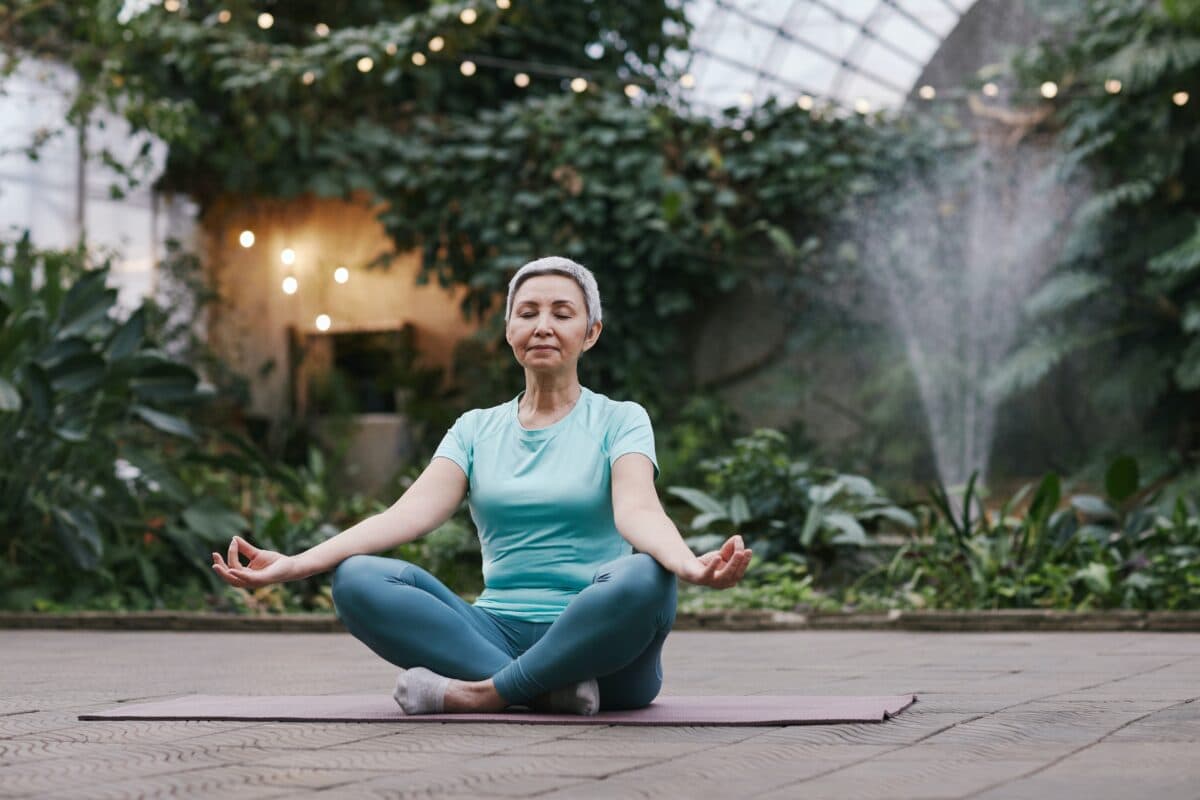
Meditation, breathing exercises, yoga
By now, meditation exercises and yoga are at least not unfamiliar to most people, and more and more people practise such methods because they have already noticed how beneficial meditation or yoga is. Especially with regular practice, we learn to let negative thoughts pass. In this way we become much more resistant to stress in the long term. Here you can read how meditation and mindfulness help with eczema and stress: What meditation and mindfulness do for eczema
Enough sleep
The brain has to process stimuli and the body has to regenerate. For this it is important that we regularly sleep well and long enough. Only when we wake up rested are we prepared for the challenges. Here you will find tips for healthy sleep
Mindfulness
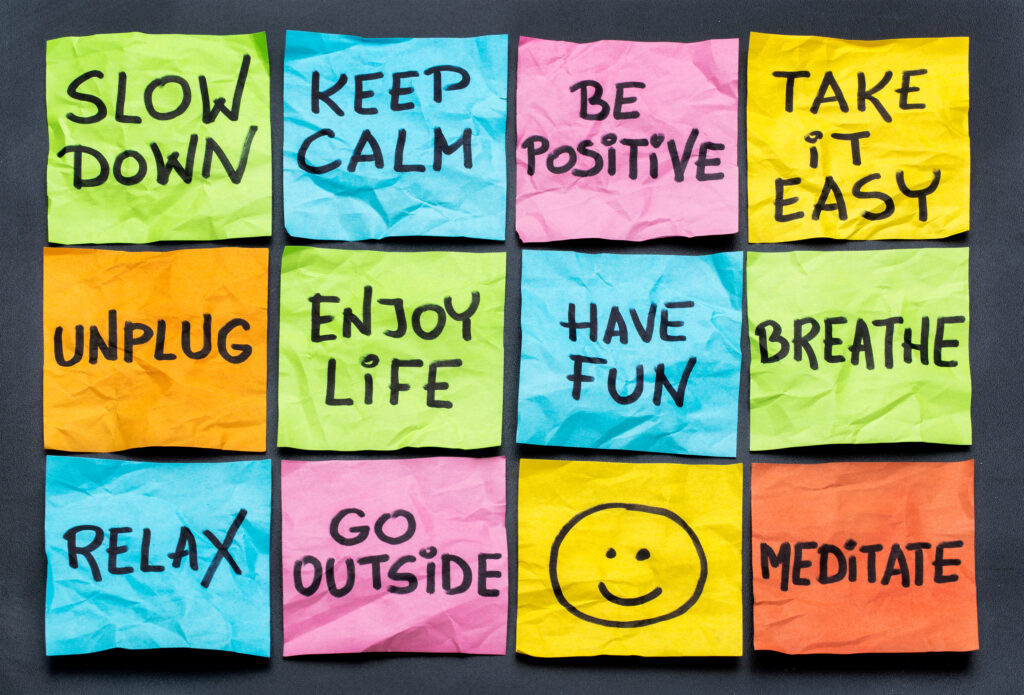
What is mindfulness? Mindfulness can have many facets, for example not just gulping down your coffee or tea in the morning but enjoying it with all your senses, noticing birds singing on the way to work, taking note of the smile of a friendly person, for example the cashier. Or simply smiling first for once. Through mindfulness we learn (again) to take a positive view of our lives and to deal calmly with adverse circumstances.
Gratitude diary
A diary helps you become aware of how many lovely moments we experience even in stressful times. If you write down (every day) what made you happy or what you are grateful for, the focus of your thoughts slowly shifts to the positive events. We also have some tips on gratitude for you to read further: 4 small habits for more gratitude in everyday life
Exercise
During physical activity and exercise, the body releases endorphins (happiness hormones). More oxygen is also flushed into the cells. It does not have to be an hour of exercise at the gym. Even 15 minutes at home helps, for example with the help of a good fitness app or together with a good friend.
It is not about personal bests but about having fun, so that exercise becomes a fixed part of your life.
Caution: Alcohol does not help with eczema and stress. Even if alcohol seems to bring relaxation at first, this is deceptive. Productivity drops and sleep quality decreases.
As you can see: There are many ways in which we can deal with stress better and create small breaks to switch off.
Sources:
- https://www.aerzteblatt.de/nachrichten/105620/Stress-im-Beruf-haeufigste-Ursache-fuer-Schlafstoerungen (accessed on 20.12.2022)
- https://deutschestiftungschlaf.org/wie-stress-unseren-schlaf-stoert/ (accessed on 20.12.2022)
- https://www.mbsr-verband.de/ (accessed on 02.12.2022)
- https://meditation.ecoach.tk.de/de/info/antistress/meditation-und-achtsamkeit/dem-stress-mit-achtsamkeit-begegnen (accessed on 19.12.2022)