
What mindfulness and meditation can do for eczema
Can meditation help with eczema too? People have been using the healing power of meditation for thousands of years. But only in recent years have words like meditation, yoga and mindfulness become familiar and even popular terms in our society. We live in times when stress and mental health problems are part of everyday life for many people. That is why effective strategies for coping with stress and illness are needed.
Science is also increasingly researching the benefits of meditation and mindfulness training for a wide range of physical and mental health problems. Several studies have already shown very positive effects. Many health insurers now offer their members courses in mindfulness or stress reduction.
The consequences of the stress response in the body
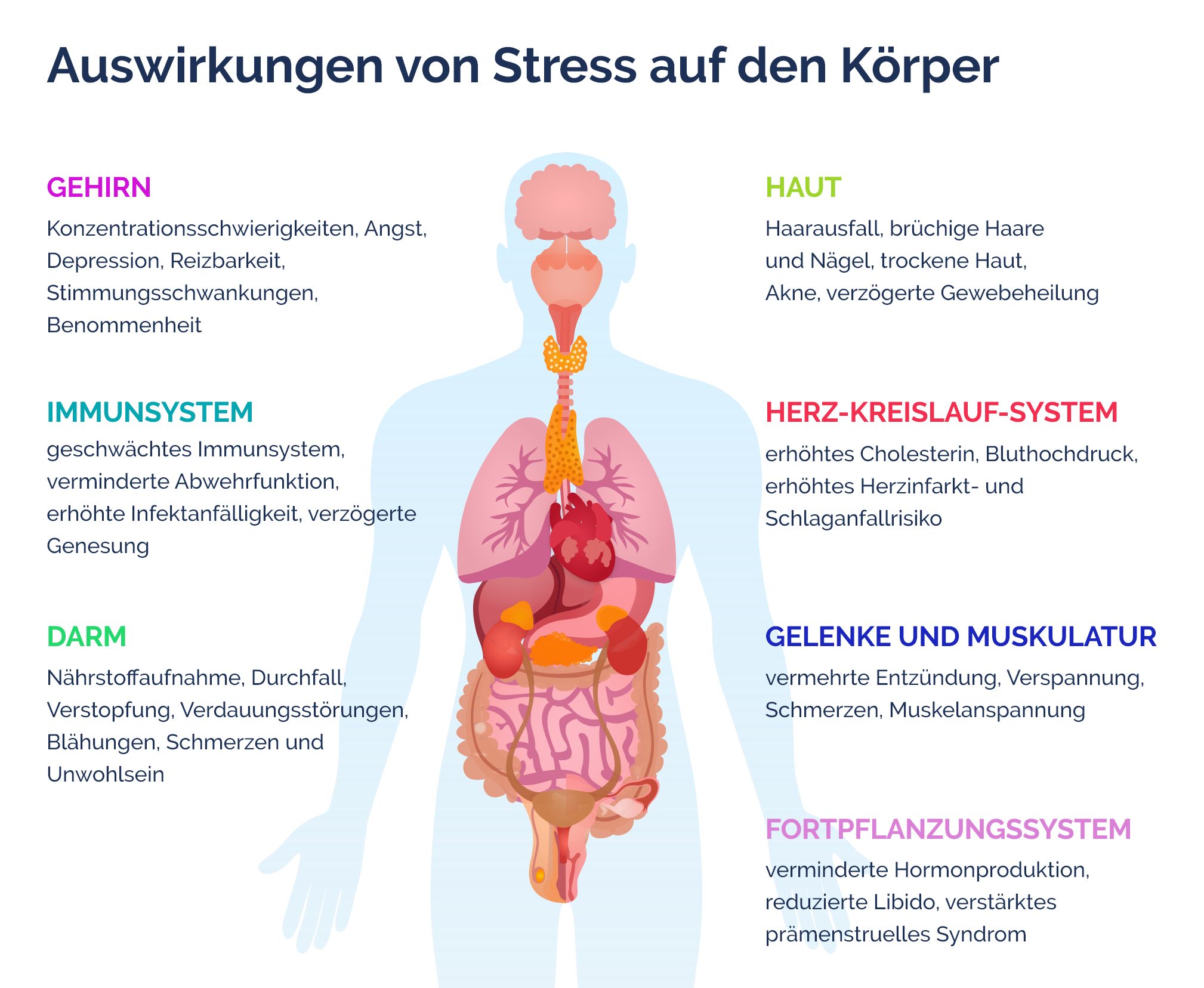
Stress can have far-reaching physical and mental effects. The body's natural stress response influences numerous processes in the organism. In this natural stress response, it is mainly the sympathetic nervous system that is activated. This is the part of the nervous system responsible for dangerous situations, and it has a stimulating effect on the body. Heart rate and breathing rate increase, the muscles tense up, and stress hormones such as adrenaline and cortisol are released.
High levels of these hormones lead to a wide range of follow-on reactions in the body. These range from increased inflammatory activity and slower wound healing to an impaired immune system. Stress can also lead to more intense itching and a disrupted skin barrier. Many of these changes also play a role in eczema. It is now known that increased stress leads to worse symptoms or even flare-ups in many patients.
Regular meditation can also relieve itching
The positive effects of meditation and mindfulness are backed by several studies, but there are still open questions. For example, it remains unanswered which type of meditation is best suited to whom. We also do not know exactly which changes in our brain and body are responsible for the positive effects. Many of the studies so far have limitations in their design or small numbers of participants. As a result, the quality of the research is not yet good enough for more precise statements. In future, larger randomised controlled studies for specific conditions will provide clarity.
Nevertheless, it has been shown that regular practice of meditation techniques can …
- calm brain activity
- lower blood pressure and
- have a beneficial effect on circulation and muscles.
Meditation also has a positive effect on mental health problems such as anxiety and depression and can improve their symptoms. Measures such as regular meditation, biofeedback or guided mental visualisation (“guided imagery”) can have a positive influence on problems such as itching, psychosocial strain and even the severity of symptoms in chronic conditions.
Meditation as a useful addition for eczema
Alongside the skin symptoms, people with eczema often also struggle with the psychological effects of their condition. Meditation and mindfulness exercises can help you deal better with distressing feelings and thoughts. This in turn reduces perceived stress.
There are various meditation techniques. What they all have in common is that they are about accepting the here and now. This helps you feel more balanced inside. It can help people with eczema to struggle less with their fate and their condition, and instead to accept their situation and cope better with eczema in everyday life.
More and more doctors who treat chronic conditions such as eczema have also recognised the importance of mindfulness and meditation for their patients. They no longer rely on medication alone. The emotional effects of the skin condition are coming into focus as well. Meditation and relaxation techniques cannot replace drug therapy, of course, but they can be a useful and helpful addition.
Sources:
- Graubard, R., Perez-Sanchez, A., & Katta, R. (2021). Stress and Skin: An Overview of Mind Body Therapies as a Treatment Strategy in Dermatology. Dermatology practical & conceptual, 11(4), e2021091. https://doi.org/10.5826/dpc.1104a91