
Biologics in the Treatment of Atopic Dermatitis

Up to 13% of children and around 2–4% of adults are affected by atopic dermatitis. For the majority of those affected, symptoms can be managed well with medications applied directly to the skin. In some cases, however, treatment with creams and ointments is not sufficient, and a systemic therapy may become necessary.
In recent years, quite a lot has changed in the systemic treatment of atopic dermatitis. Several new medications are now available that intervene in inflammatory processes in a targeted way and suppress them. Some of these medications belong to the drug class known as biologics.
Targeted Intervention in the Disease Process
Biologics (also called biologicals) are biotechnologically produced proteins that have been used for a number of years in the treatment of various conditions such as psoriasis. The medications produced in this way resemble the body’s own substances and messenger molecules of the immune system. This allows them, for example, to act on specific processes of the immune response and thereby interrupt pro-inflammatory signalling pathways.
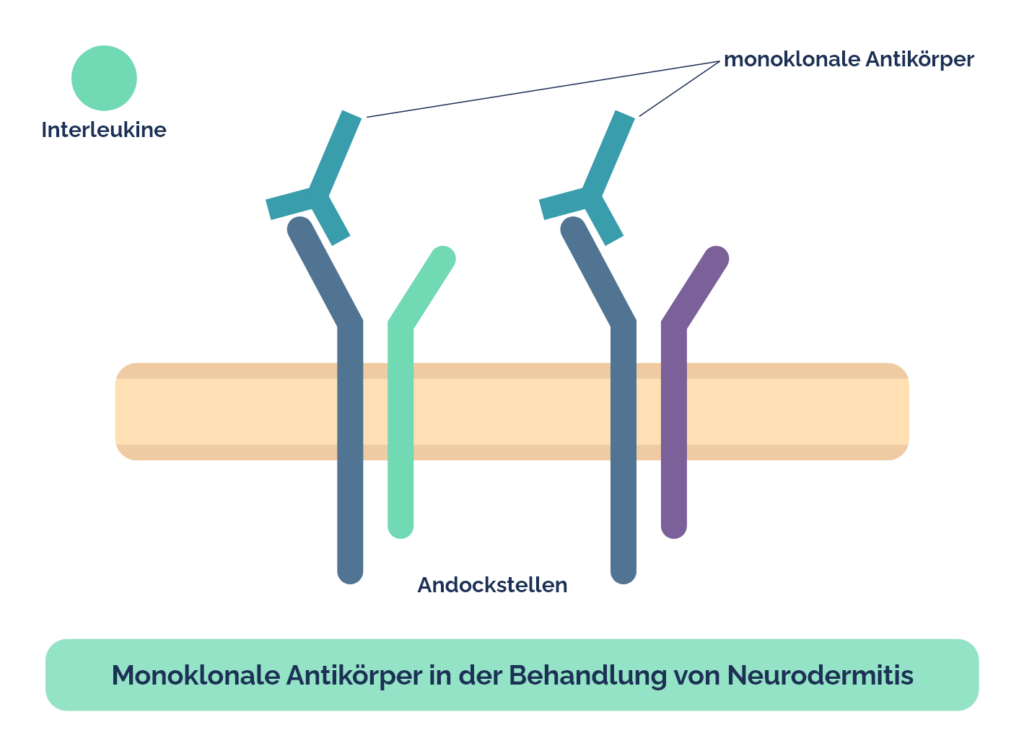
In atopic dermatitis, there is a dysregulation of the immune response, and the immune system reacts hypersensitively to normally harmless stimuli. The release of certain messenger molecules that promote inflammatory reactions leads to the development of disease symptoms. In the case of atopic dermatitis, the messenger molecules interleukin-4 and interleukin-13, among others, play a role. These interleukins are produced in elevated quantities in patients with atopic dermatitis and are involved in the development of skin inflammation and itching.
For some years now, so-called monoclonal antibodies from the biologic drug class have been available; some of them are also approved for the treatment of atopic dermatitis and intervene in a targeted manner in the misdirected immune response. They prevent the messenger molecules from binding to their specific receptor sites, which means their pro-inflammatory effect can no longer be exerted.
Treatment of Moderate to Severe Atopic Dermatitis
Biologics can be prescribed to patients who suffer from moderate to severe atopic dermatitis and for whom a systemic therapy is appropriate. The medications are generally injected under the skin at set intervals. After appropriate instruction by trained healthcare professionals, this can also be carried out independently at home by those affected.
As with all medications, the same applies to biologics: even new therapies can have unwanted side effects. The benefits and risks of any treatment must always be carefully weighed up. Whether treatment with biologics is suitable depends on the individual case and should only be pursued on the recommendation of a doctor. Those who feel that their atopic dermatitis is not under control should speak with their dermatologist about long-term treatment options.