
Eczema tips: everyday life and treatment
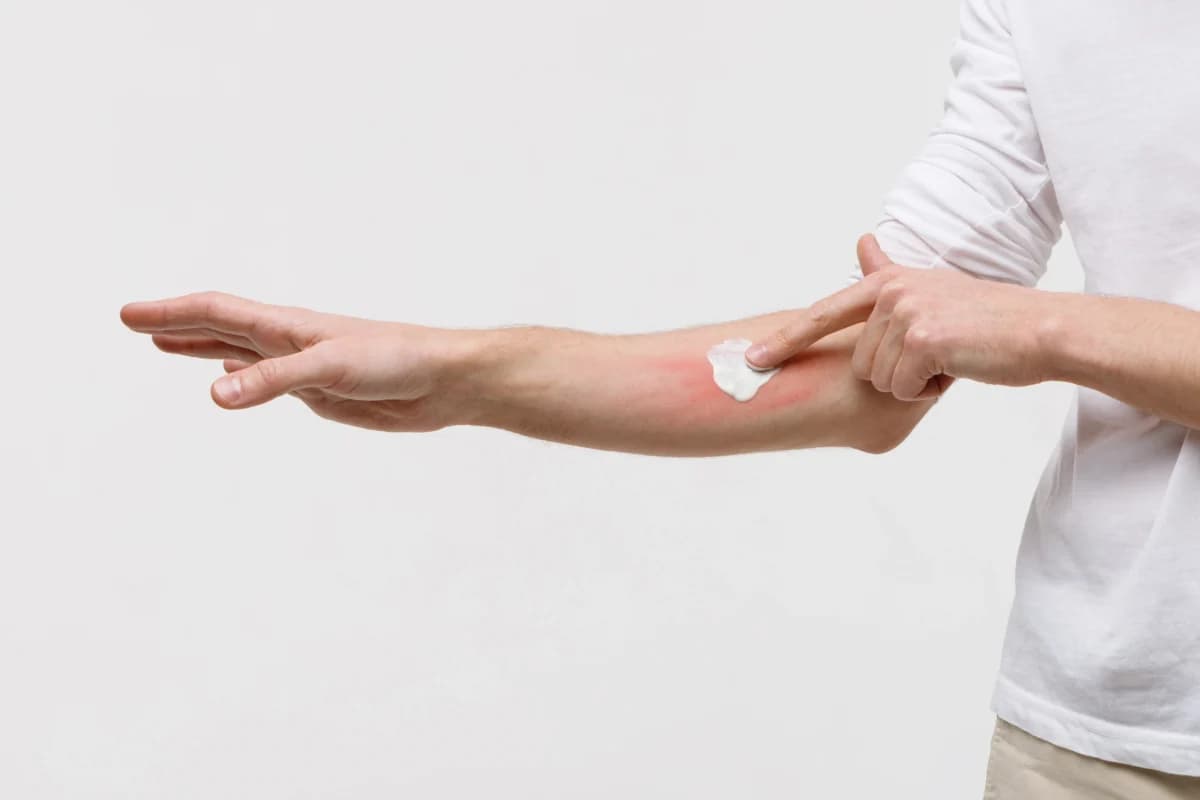
Atopic dermatitis (eczema) is a chronic skin disease characterised by dry, itchy skin and inflamed eczema patches. The condition affects people of all ages and can be a constant challenge in everyday life. The tendency to develop eczema is innate and stays with you for life. Eczema often improves in adulthood. But even when there are no or only a few flare-ups, there are tips and tricks to prevent new skin inflammation and itching. With the right tips and measures, the quality of life of people with eczema can be improved considerably. In this article you will find out how you can cope better with eczema by optimising various aspects of everyday life.
General eczema tips
Living with eczema requires consistent skin care, and following a few tips can sometimes make a big difference. The following advice can help you control your symptoms and prevent flare-ups.
- Moisturise regularly: Apply a fragrance-free moisturiser that suits your skin several times a day to strengthen the skin barrier and prevent dryness. If you are not sure whether a cream is right for you, test it first on a small area (e.g. your forearm) and ask your dermatologist.
- Short, lukewarm showers: Avoid hot showers and wash in lukewarm water instead so as not to irritate your skin further. Apply moisturiser after showering.
- Gentle skin cleansing: Use mild, soap-free cleansing products to clean your skin gently without drying it out.
- Keep a diary: Keep an eczema diary to identify possible triggers of eczema flare-ups. Your notes make it easier to spot patterns and avoid potential triggers. With our Nia app, you can keep the diary digitally in everyday life and update it at any time, even on the go.
The best indoor climate
The indoor climate plays an important role in controlling eczema symptoms. Here are some tips for creating a skin-friendly environment:
- Humidifier: Air that is too dry can dry out your skin even more and make the itching worse. A relative humidity of 40–60% is ideal. To achieve this, you can use a humidifier, especially in the winter months when heating dries out the indoor air. Make sure you clean the humidifier regularly to prevent mould from forming.
- Air your rooms regularly: Good air circulation is important to keep the indoor air fresh and reduce pollutants. Open the windows regularly, ideally in the morning and evening, to let fresh air in. But avoid direct draughts, as they can irritate the skin.
- Temperature control: The room temperature should be pleasant and constant, ideally between 18–20°C. Rooms that are too warm can make you sweat, which in turn can make the itching worse. A pleasant, cool environment helps calm the skin and makes for better sleep.
- Dust and allergens: Dust and allergens in the indoor air can make eczema symptoms worse. Vacuum regularly and wipe surfaces with a damp cloth to reduce dust. Use vacuum cleaners that are particularly effective at picking up fine dust and allergens. Also make sure you regularly clean upholstered furniture and carpets, which collect dust.
- Pollutant-free air: Avoid room fragrances, harsh cleaning products and smoking indoors, as these substances can irritate the skin and make eczema worse. Opt for natural cleaning products instead and do without artificial fragrances. Air purifiers with HEPA filters can also help improve the air quality in your home. These devices effectively filter pollutants out of the air and keep the indoor air clean and fresh. An air purifier can be especially useful in bedrooms and busy areas.
Diet and eczema
A healthy diet can help reduce inflammation and promote healthy skin. Here are some diet tips:
- Anti-inflammatory foods: Include foods rich in omega-3 fatty acids and antioxidants in your diet, such as fish, nuts, seeds, fruit and vegetables.
- Avoid allergens: If you suspect that something doesn't agree with you, we recommend that you clarify this with your doctors. The Nia app can help you identify possible triggers and allergens. To do this, document and track the condition of your skin regularly with the diary function.
- Hydration: Drink enough water, especially on very hot days, to counteract water loss. Keeping your mucous membranes moist supports your immune system and regulates your body temperature.
You can find more tips and useful information on eczema and diet in our linked article.

A healthy diet can help promote healthy skin.
Laundry detergents and cleaning products
Choosing the right detergents and cleaning products is crucial to avoid skin irritation:
- Gentle detergents: Use mild, fragrance-free detergents for your clothes and bed linen.
- Skin-friendly cleaning products: Choose cleaning products without harsh chemicals that can cause skin irritation.
Clothing and eczema
The choice of clothing can have a considerable impact on the wellbeing of people with eczema. Here are some recommendations:
- Breathable fabrics: Natural fibres such as cotton and silk are kinder to the skin than synthetic fabrics because they are breathable and irritate the skin less. Cotton is especially recommended because it is soft and lets the skin breathe. Silk has the added advantage of being hypoallergenic and having a smooth surface that does not irritate the skin. While people with eczema generally find cotton comfortable, wool, on the other hand, can cause itching and scratching. So take care to choose the right material that your skin tolerates.
- Seamless clothing: Seams and labels can cause extra friction and irritate sensitive skin. If possible, choose seamless clothing or carefully cut out labels. Many brands offer special clothing for sensitive skin that is made without annoying seams and labels.
- Layers in winter: With eczema in winter, cold air can dry out your skin even more. Wear several layers of natural materials to stay warm without irritating your skin. Start with a soft cotton or silk layer directly on your skin and then add more layers to protect yourself from the cold.
- Sun-protective clothing in summer: In summer, sun protection with eczema is especially important, as sunburn can make eczema symptoms worse. Wear light, long-sleeved clothing and a hat to protect your skin from the sun. There is also special UV-protective clothing made from breathable materials that offers high UV protection.
By choosing and caring for your clothes carefully, you can do a great deal to relieve your eczema symptoms and improve your quality of life.

Cotton clothing is especially suitable for skin that is sensitive due to eczema.
Avoiding stress with eczema
Stress is also a common trigger of eczema flare-ups. So here are some techniques for managing stress:
- Yoga and meditation: Practise yoga and meditation regularly to relax your body and mind.
- Breathing exercises: Build deep breathing exercises into your everyday life to reduce stress.
- Time management: Plan your day effectively to keep stressful situations to a minimum.
You can find more tips and information on the link between stress and eczema in our linked article.
Leisure and sport with eczema
Leisure activities and sport can also help if you or your family members have eczema. Here are a few tips:
- Swimming: Chlorinated swimming pools can irritate the skin. If you go swimming, shower thoroughly afterwards and apply moisturiser.
- Shower after sport: Shower straight after sport to remove sweat and dirt that could irritate your skin.
- Breathable sportswear: Wear special sportswear that wicks away moisture and lets your skin breathe.
Reducing the itch
Itching is one of the most distressing symptoms of eczema. So here are some strategies for relief:
- Cooling: Cool the affected areas of skin with damp compresses or cool packs.
- Medication: Talk to your doctor about taking medication such as creams, tablets or injections to relieve the itching.
- Skin care: Keep your skin well hydrated and use anti-itch lotions.
You can also find more tips on relieving itching with eczema in our linked article.
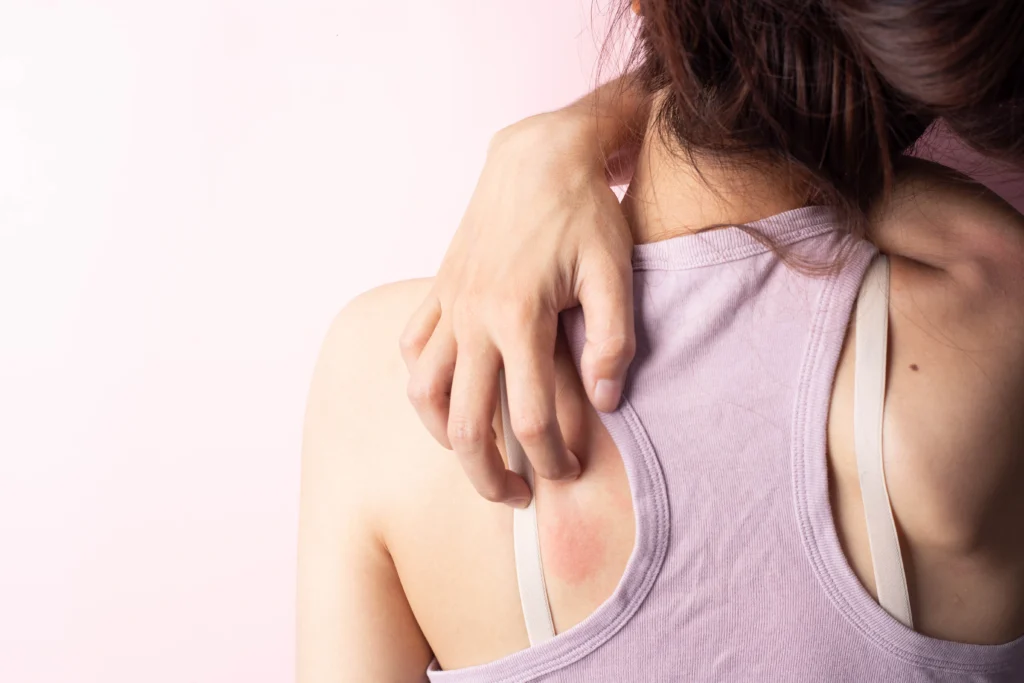
Many people with eczema suffer from severe itching.
The right treatment
Treating eczema often requires a combination of different measures:
- Topical steroids: Medicines that are applied to the skin to treat various skin diseases. They help fight inflammation and relieve itching.
- Calcineurin inhibitors: A group of medicines used to treat certain inflammatory skin diseases. Like topical steroids, calcineurin inhibitors also act on the immune system and are anti-inflammatory, but they do not have the side effect of thinning the skin when used over a longer period. That is why calcineurin inhibitors are often used in long-term or maintenance therapy too.
- Phototherapy: UV light therapy to reduce inflammation.
- Systemic therapies: In severe cases, medicines such as biologics may be needed.
More tips and support
For further information, we recommend using our Nia app. The app gives you access to an eczema diary, recommendations and articles and videos based on the AGNES eczema training. Download the app now from the App Store or Google Play and discover more valuable tips for living with eczema.
With our tips and strategies, you can control your eczema better and lead a fulfilling life. Stay informed and proactive with our Nia app to get the best results for the health of your skin.
Sources:
- Silverberg, J. I., Hanifin, J. M. (2013). Adult eczema prevalence and associations with asthma and other health and demographic factors: A US population-based study. Journal of Allergy and Clinical Immunology, 132(5), 1132-1138. DOI: 10.1016/j.jaci.2013.08.031
- Ring, J., Alomar, A., Bieber, T., et al. (2012). Guidelines for treatment of atopic eczema (atopic dermatitis) Part I. Journal of the European Academy of Dermatology and Venereology, 26(8), 1045-1060. DOI: 10.1111/j.1468-3083.2012.04635.x
- https://register.awmf.org/assets/guidelines/013-027l\_S3\_Atopische-Dermatitis-AD-Neurodermitis-atopisches-Ekzem\_2024-01.pdf