
Help with eczema: tips and strategies for a better quality of life
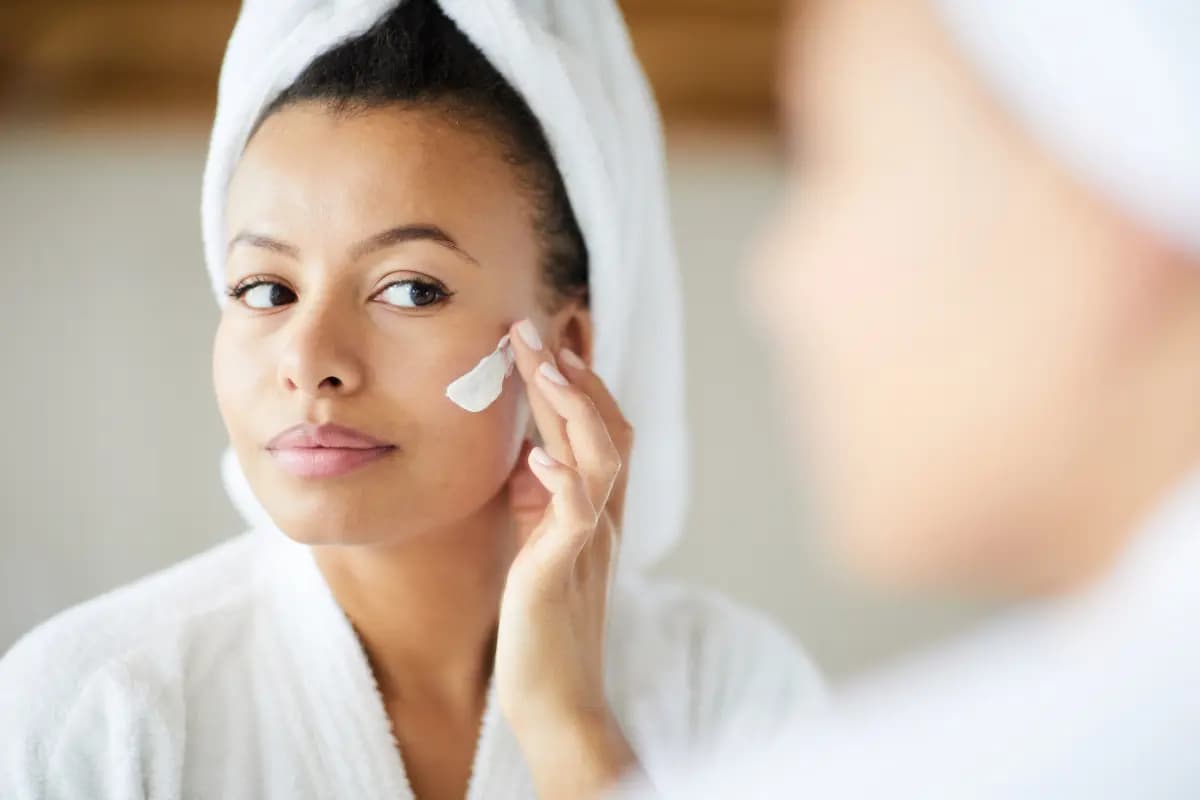
Eczema, also called atopic dermatitis, is a chronic skin condition marked by itchy and inflamed skin. People with eczema often suffer from severe itching and skin rashes, which can seriously affect their quality of life. Are you looking for help with eczema for yourself or your child? The recommendation is always to get professional medical support and advice first. As specialist doctors, dermatologists and allergists can make an accurate diagnosis and recommend individual treatment options. In more severe cases, seeing an immunologist can also be helpful.
Although seeing a doctor is important, there are some basic tips and options for (self-)help with eczema, which we want to look at in this article. You can find out how to make your life with eczema more pleasant and how gratitude can change it for the better in the linked article.
What helps with eczema? General tips for adults and children
The question of whether eczema can be cured is covered in detail in the linked article – as are the causes and possible reasons why the condition develops. Because of the particular challenges people with eczema face, we present various strategies and methods that can help relieve symptoms and improve quality of life. These include regularly using moisturisers, avoiding known triggers such as stress and certain foods, and adapting your clothing. You can find out more about eczema in adulthood in the linked article.
Because eczema in children often appears in the first three years of life, it needs special attention and care. As a parent, you should pay particular attention to skin care and possible triggers. Gentle, hypoallergenic skin care products and avoiding scratchy materials can help relieve the symptoms. Keeping a stable, stress-free environment is also important. The article on eczema in children looks in detail at how you can recognise the causes and symptoms and treat them.
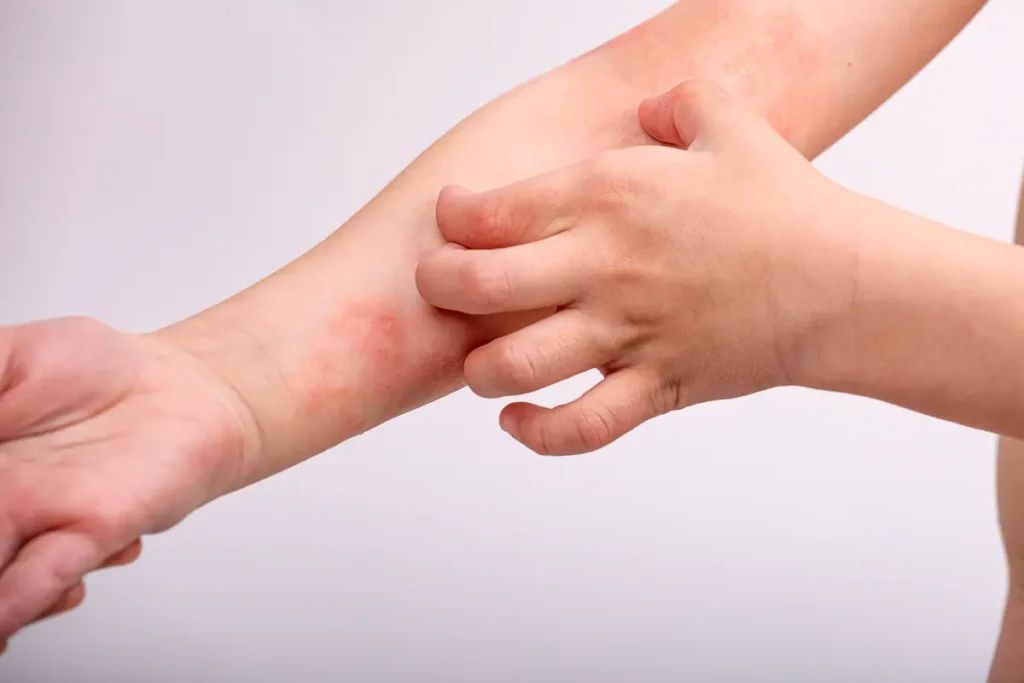
Many people have eczema, a chronic inflammatory skin condition.
Can sport or a particular diet help with eczema?
Food intolerances are a controversial topic in eczema. Although not everyone with eczema reacts to certain foods in the same way, a healthy lifestyle with enough exercise, a healthy, balanced diet and stress management can support skin health and well-being. However, diets should only be followed on the basis of allergy tests. In this context, it can also help to keep a food diary or eczema diary with the Nia app, to identify potential triggers and remind you of helpful habits. You can find out more about diet and eczema in a separate article.
When you think about your diet, you may also wonder whether vitamin D has positive effects on eczema. Studies have shown that a lack of vitamin D can make eczema symptoms worse. Getting enough vitamin D, whether from sunlight, food or supplements, can help strengthen the skin and reduce inflammation. So vitamin D has many positive effects on skin health and the immune system – feel free to take a look at the linked article for details.
Thinking about help from nature is also legitimate with eczema. However, using natural oils and other remedies is not recommended without medical advice either, as open wounds and inflammation on the skin can be irritated further – in this context, we warmly recommend our article on whether home remedies are suitable for eczema.
Perhaps you have also wondered whether sport is good or helpful for eczema. Because regular physical activity can reduce stress, strengthen the immune system and promote general health, sport has many benefits for people with eczema. In principle, there is no sport you cannot do with eczema. However, it is important to choose a suitable sport that you really enjoy. That is the only way you will stick with it, and the training won't cause you extra stress. Look after your skin after sport to avoid irritation from sweat. We have a detailed article on this topic too.

Moderate sporting activity can help with eczema.
Acute eczema flare-up and itching: immediate help
Itching in eczema is one of the most distressing symptoms for people with eczema and can lead to a constant vicious circle: itching leads to scratching, which in turn damages the skin further and makes the itching worse. It is important to break this cycle to calm the skin and minimise inflammation. Various strategies can help relieve the itching. The article linked above gives you more helpful information and tips on relieving itching.
When an acute eczema flare-up occurs, quick help is needed. Cool compresses, moisturising creams and anti-inflammatory ointments can bring fast relief as immediate help during eczema flare-ups. Wearing cotton gloves overnight can also help you avoid scratching. In severe cases, seeing a doctor is essential to get suitable medical treatment.
More tips and strategies for (self-)help with eczema
Besides the strategies already mentioned, there are other approaches that can help with eczema. These include using humidifiers to increase the humidity indoors, and wearing breathable, non-irritating clothing. Avoiding tobacco smoke and other environmental irritants can also improve skin health.
Meditation and mindfulness for eczema are also effective techniques to reduce stress, which is a common trigger of flare-ups. Practising regularly can help reduce the emotional and psychological burden and so also improve the skin symptoms. You can find practical instructions and tips on this in the linked article.
Conclusion on help with eczema
In summary, as a complex condition, eczema requires different measures for each individual. A combination of medical treatment and lifestyle changes can help relieve the symptoms and improve quality of life. Holistic treatment approaches play an important role here. These include not only drug treatment and the use of topical therapies, but also dietary therapies that aim to cut down on foods that promote inflammation and include nutrient-rich, skin-friendly foods. Psychological support and stress management techniques such as meditation and yoga can also help reduce the emotional burden that often comes with eczema. It is important to keep working on the best treatment in close cooperation with a doctor.
To help you manage your eczema, we recommend the Nia app: you can use it to keep your personal eczema diary to document the state of your skin and understand the condition better, record possible triggers, get recommendations, and find articles, videos and answers to frequent questions based on the AGNES eczema training. Download the app now from the App Store or Google Play and start your journey to better control of your eczema.
Sources: