
Causes of eczema – an in-depth look at the reasons behind the skin condition

Eczema, also known as atopic dermatitis, is a widespread chronic skin condition that affects many people. It is also characterised by recurring flare-ups and, unfortunately, not infrequently by reduced quality of life. If you have it yourself or know someone who does, you have probably already wondered what the reasons for eczema are – in other words, why the condition develops in the first place. It has to be said that the causes of eczema are varied and complex. Below, you will find out more about the various factors that can contribute to the development of eczema, so that you, as someone with eczema or a family member, can develop a better understanding of the condition. We look at genetic and environmental factors as well as specific triggers for eczema flare-ups.
What is eczema? Find out more about how it develops and its characteristics
As an inflammatory skin condition, eczema shows itself above all through dry, itchy and inflamed patches of skin. It often affects the creases of the arms and legs, the neck and the face. The condition usually appears in infancy or early childhood, but it can also affect adults and only start later in life. There are phases when it gets worse, known as flare-ups, followed by calmer phases in which the skin symptoms subside.
To better understand how the condition develops, you need to know that the skin barrier is often weakened in people with eczema. This weakening causes the skin to lose more moisture and become more susceptible to external stimuli. The lack of essential skin lipids and the reduced function of the horny layer (stratum corneum) make it easier for allergens and irritants to penetrate the skin and trigger inflammatory reactions.
Another key factor is that the immune system of people with eczema reacts hypersensitively to environmental stimuli and allergens. This overreaction leads to chronic inflammation in the skin, which shows itself as redness, swelling and intense itching. Overall, atopic dermatitis involves a complex interplay of immune cells and pro-inflammatory messenger substances.
The T cells of the immune system play a central role here. In patients with atopic dermatitis, these cells are particularly active and release more pro-inflammatory substances, which intensify the symptoms of the condition. Recent research findings indicate that modern therapies target these inflammatory signalling pathways. You can find more information on current research approaches in our article on new treatments for atopic dermatitis (2024 guideline).
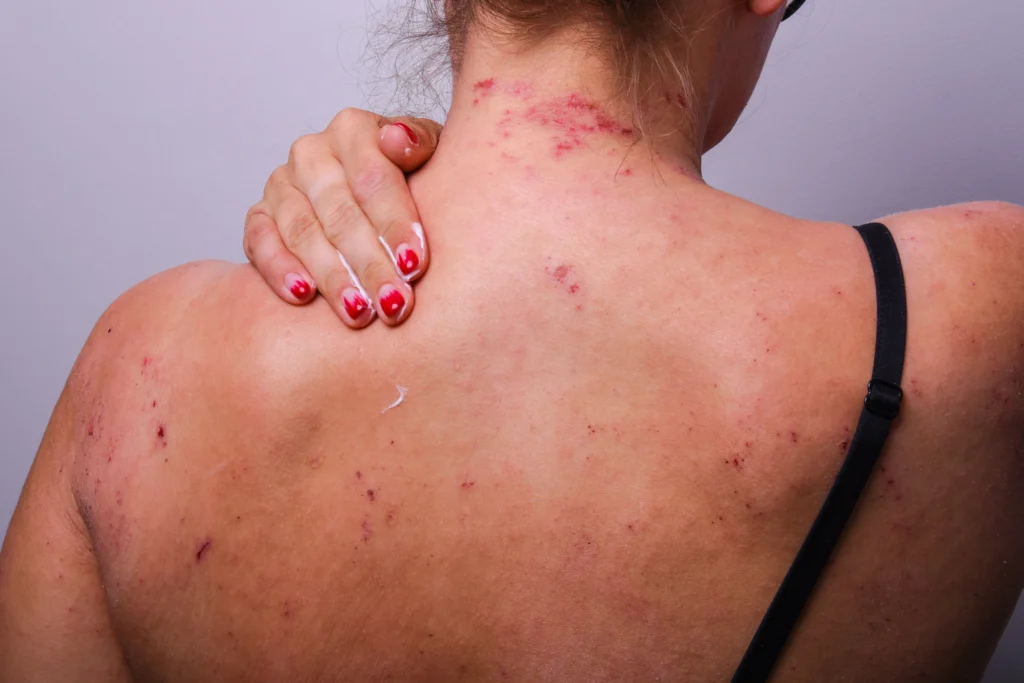
Eczema is a complex skin condition that can affect different areas of the skin.
More about the causes and triggers of eczema
Basically, you have to distinguish between the causes of the condition itself and eczema triggers, i.e. triggers for acute symptoms. One of the main causes of eczema is genetic predisposition.
Genetic predisposition
Studies show that the risk of developing eczema is significantly higher if close relatives such as parents or siblings also have atopic conditions such as eczema, asthma or hay fever. This genetic predisposition affects the structure and function of the skin barrier as well as the immune response, which encourages eczema to develop. However, inheritance alone does not necessarily lead to the condition. Rather, additional factors are needed to trigger it. The genetic predisposition mainly affects the barrier function of the skin, which is often disrupted in people with eczema. This skin barrier can then no longer protect effectively against environmental influences, which leads to inflammation and itching. You can find more about strengthening the skin barrier in our article on recommended basic skin care for eczema.
Infections and microbial colonisation
Infections, especially with bacteria such as Staphylococcus aureus, are common in patients with eczema. These bacteria can colonise the skin and cause inflammatory reactions. Viruses and fungi can also penetrate the skin barrier and lead to further complications. It is important to recognise and treat infections early to prevent the eczema from getting worse.
Environmental factors & climatic conditions
Various environmental factors can make eczema symptoms worse or trigger a flare-up. These factors include:
- Allergens: House dust mites, pollen, pet hair and mould are well-known triggers. Certain food allergies can also make the symptoms worse – the following section looks at this in more detail.
- Irritants: Cigarette smoke, harsh cleaning products or the chemicals they contain, perfumes and skin care products can irritate sensitive skin and aggravate it further.
- Climatic conditions have a significant influence on the skin of patients with eczema. Cold and dry weather often makes the skin worse, as the skin dries out more quickly. You can find more details about eczema in winter in the linked article. Humid conditions in summer can also make the skin worse.
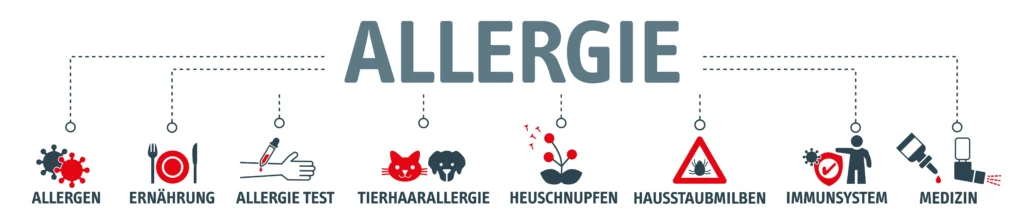
Overview of potential allergens in eczema
Diet and intolerances
Eating habits can also play a role in the development and worsening of the condition and are therefore a possible cause of eczema flare-ups, for example. Food allergies or intolerances, for example to cow's milk, eggs, soya, nuts or gluten, are often the triggers here. It is a good idea to keep a diary to identify and avoid potential triggers.
Psychosocial factors
Stress and emotional strain can make eczema worse. It is known that psychological factors such as anxiety, stress, depression and feelings of stigmatisation can be consequences of eczema and can not only affect the skin condition, but also seriously impair the quality of life of people with eczema. You can find more details about the link between stress and eczema in the linked article. For people with eczema, it is important to develop strategies to reduce stress and strengthen their emotional health. Techniques such as meditation, yoga or autogenic training can be helpful. You can find tips and exercises for managing stress in our linked article.
Hormonal fluctuations
Hormonal changes, such as those that occur during puberty, menstruation, pregnancy or the menopause, can influence eczema symptoms. These fluctuations can increase the skin's sensitivity and lead to an outbreak of the condition or even make it worse.
Conclusion on the causes of eczema:
Atopic dermatitis is a multifactorial disease in which genetic, immunological and environmental factors interact. Understanding these complex relationships is crucial for developing effective treatment strategies and improving the quality of life of people with eczema. By finding out about the causes and taking targeted action, you can actively help to relieve your symptoms and avoid flare-ups. Even if the question of why eczema develops cannot be answered across the board, there are ways to help (yourself) and tips for a better life with eczema.
If you are looking for more information or specific tips on treatment and skin care for eczema, just browse our blog. There you will find numerous articles that can help you cope better with everyday life with eczema. To help you manage your eczema, we recommend the Nia app: with it, you can keep your personal eczema diary, receive recommendations and find articles and videos based on the AGNES eczema training. Download the app now from the App Store or Google Play and start your journey towards better control of your eczema.
Sources:
- https://onlinelibrary.wiley.com/doi/abs/10.1111/ijd.14404 (accessed on 13.06.2024)
- https://www.aerzteblatt.de/nachrichten/143115/Bei-atopischer-Dermatitis-koennten-mehr-Achtsamkeit-und-Selbstmitgefuehl-helfen (accessed on 13.06.2024)
- https://www.usz.ch/krankheit/neurodermitis/#:~:text=Neurodermitis%3A%20Ursachen%20und%20Risikofaktoren,deren%20Eltern%20beide%20Neurodermitiker%20sind. (accessed on 01.07.2024)
- https://www.mayoclinic.org/diseases-conditions/atopic-dermatitis-eczema/symptoms-causes/syc-20353273 (accessed on 14.06.2024)