
Eczema treatment: 4 current findings from the new 2024 guidelines

You have probably already heard quite a bit about eczema treatment. Chronic skin conditions can make life pretty hard. Fortunately, medicine keeps making new discoveries. Eczema treatment has developed a lot in recent years, and in 2024 there are brand-new guidelines that can help you get your skin problems under control better.
Atopic dermatitis (eczema) is a chronic skin condition that shows up as dry, itchy and reddened patches of skin. It can affect both children and adults and can have a major impact on everyday life.
In this article, we want to introduce you to the current findings and recommendations on eczema treatment. We draw on the latest guidelines, which were developed by experts in the field and are based on evidence-based knowledge.
Overview of the 2024 atopic dermatitis guideline
The German guideline for atopic dermatitis was recently updated because of new research results and the approval of innovative therapies. Developed by a team of experts, it is based on the latest research and is packed with helpful information. The guideline is a kind of handbook for doctors and patients. It explains how atopic dermatitis can be diagnosed and treated, and gives clear recommendations for the best approaches. These changes are reflected not only in the recommendations but also in a higher level of evidence. The level of evidence indicates more robust scientific proof.
Key changes and updates compared with earlier guidelines
The following points in particular were revised in the new atopic dermatitis guideline:
- New recommendations on topical therapies
- Newly approved therapies
- Consideration of further non-drug therapies and treatment approaches

Eczema treatment according to the guideline
When it comes to treating your eczema, the 2024 atopic dermatitis guideline contains a wide range of recommendations that can help you relieve your skin problems and improve your quality of life.
- The basics of eczema treatment: Basic skin care and anti-inflammatory therapy remain the central building blocks of eczema treatment. The updated recommendations stress the consistent use of moisturising creams and ointments, as well as the use of corticosteroids and calcineurin inhibitors for effective anti-inflammatory therapy. Proactive therapy in the period between flare-ups is also recommended. Proactive means that even when eczema patches have healed, you regularly treat the skin with an anti-inflammatory cream to prevent new flare-ups.
- Topical therapies against bacteria and fungi: The guideline underlines the importance of topical therapies that not only care for the skin but also act against bacteria and fungi. Special creams, wash lotions and/or bath additives are used for this.
- New systemic therapies: If conventional measures such as applying creams and phototherapy are no longer enough, the guideline takes into account the progress in targeted therapy with tablets or injections. The introduction of Janus kinase (JAK) inhibitors and biologics as new systemic therapies makes it possible to target the inflammatory processes throughout the whole body. JAK inhibitors are available as tablets, and biologics as injections that patients can give themselves.
- Interval therapy with JAK inhibitors: The authors of the guideline discuss the option of interval therapy with JAK inhibitors. This strategy can be used in particular for patients who do not have symptoms all year round. With a planned treatment break during flare-free periods in summer, effective systemic therapy can be tailored to the individual.
The updated atopic dermatitis guideline gives a comprehensive insight into the latest findings and treatment options. The variety of recommended measures allows individual and effective treatment that is tailored to patients' needs.
If you would like to know whether there could be important changes in the treatment of your eczema, talk to your dermatologist about it.
Besides drug therapies, non-drug treatment approaches also play an important role. Good skin care and protection against moisture loss are crucial to strengthen your skin barrier and reduce irritation. It is also important to identify and avoid trigger factors that can make your eczema worse. These include, for example, certain foods, allergenic substances or environmental factors. Here you can find more information about possible eczema triggers.
In addition, psychotherapeutic measures and stress management techniques can help you deal with the emotional effects of eczema and improve your quality of life. Stress can have a negative effect on your skin and increase flare-ups, so it is important to develop strategies to reduce stress and support your well-being. You can find more on dealing with stress in this article.
Diagnosis and classification of atopic dermatitis
This part of the guideline is not new, but it is very important, which is why we look at diagnosis in more detail again.
When it comes to eczema treatment, an accurate diagnosis is the first step towards relieving your skin problems. Diagnosing and classifying atopic dermatitis is crucial to make tailored treatment possible.
Eczema shows up with different degrees of severity and symptoms that can vary from person to person. Typical signs include dry, itchy and reddened patches of skin, which can often get worse.
The diagnosis of atopic dermatitis is based primarily on the clinical features and symptoms you show. Your doctor will examine your skin thoroughly and take your medical history in order to make an accurate diagnosis.
It is important to note that diagnosing atopic dermatitis in children and in adults can bring different challenges. In children, the symptoms can often be harder to recognise, because children's skin is a little different from adults' skin.
However, an accurate diagnosis is essential to ensure the best possible eczema treatment. That is why it is important to work together with your doctor to get an accurate assessment of your skin condition.
Classifying atopic dermatitis can also help determine how severe the condition is and plan the course of treatment. Your doctor will take various criteria into account to determine whether it is a mild, moderate or severe form of atopic dermatitis.
All in all, an accurate diagnosis and classification of atopic dermatitis is the key to effective treatment.
Practical tips for people with eczema and parents
Here are some practical tips for people with eczema and parents of children with eczema that can help you cope with eczema and improve the health of your skin:
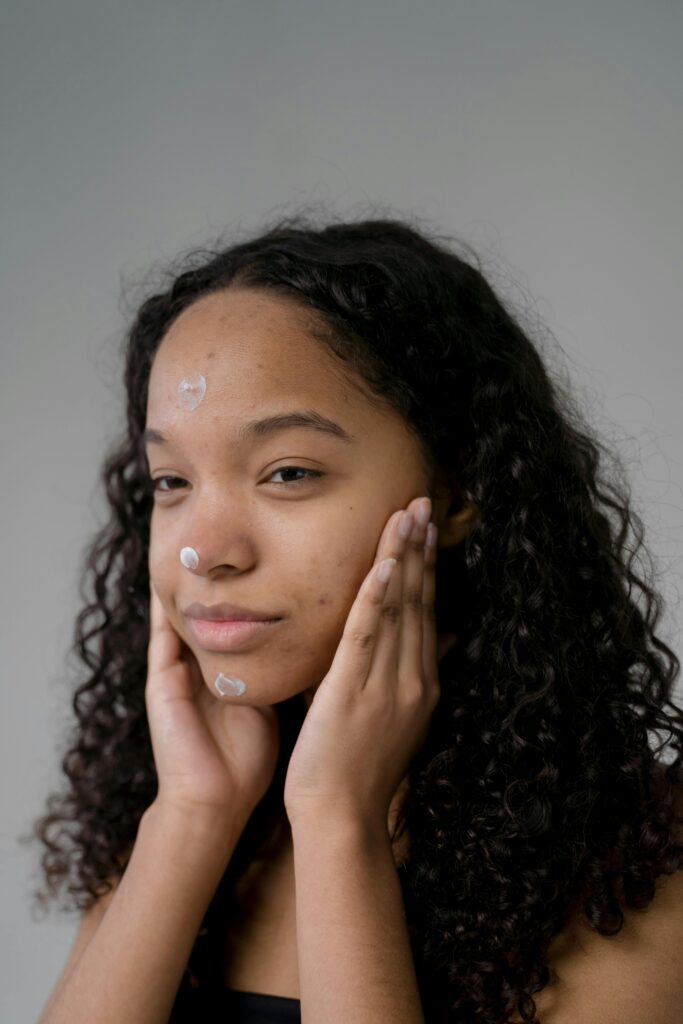
- Skin care is everything: Regular, adapted skin care is crucial to keep your skin moisturised, reduce irritation and strengthen your skin barrier.
- Pay attention to your clothing: Wear loose, breathable clothing made of soft materials such as cotton to minimise friction and irritation. Avoid scratchy fabrics and tight clothing that could irritate your skin.
- Avoid trigger factors: Identify and avoid potential triggers of your eczema flare-ups. The Nia app can help you identify your triggers.
- Hydrate your skin: Apply creams or ointments to your skin regularly, especially after showering or bathing, to moisturise your skin and reduce moisture loss.
- Look after your nails: Keep your nails cut short to reduce the risk of scratch injuries and infections. Avoid scratching hard, to prevent further skin irritation.
- Stress management: Develop strategies for coping with stress, such as regular relaxation exercises, yoga or meditation.
- Look for support: Connect with other people with eczema in support groups or online forums to share experiences and get support. You are not alone with your eczema!
Conclusion
The 2024 atopic dermatitis guideline offers valuable insights and recommendations on eczema treatment. Based on the latest research and evidence-based knowledge, it is an indispensable tool for doctors.
Treating eczema requires an individual and holistic approach. There is no one-size-fits-all solution, and what works for one person will not necessarily work for another. That is why it is important that you work with your doctor to develop a tailored treatment that helps you best.
Eczema treatment includes not only drug therapies but also non-drug approaches such as adapted skin care, stress management and avoiding trigger factors. By following these recommendations and keeping regular follow-up appointments, you can effectively control your eczema symptoms and improve your quality of life.
The future of eczema treatment promises further progress and innovation. Research in this field is constantly moving forward, and new treatment options and technologies are being developed to further improve the quality of life of people with eczema.
Sources:
013-027l_S3_Atopische-Dermatitis-AD-Neurodermitis-atopisches-Ekzem_2024-01.pdf (awmf.org)