
Eczema triggers – the 10 most common triggers
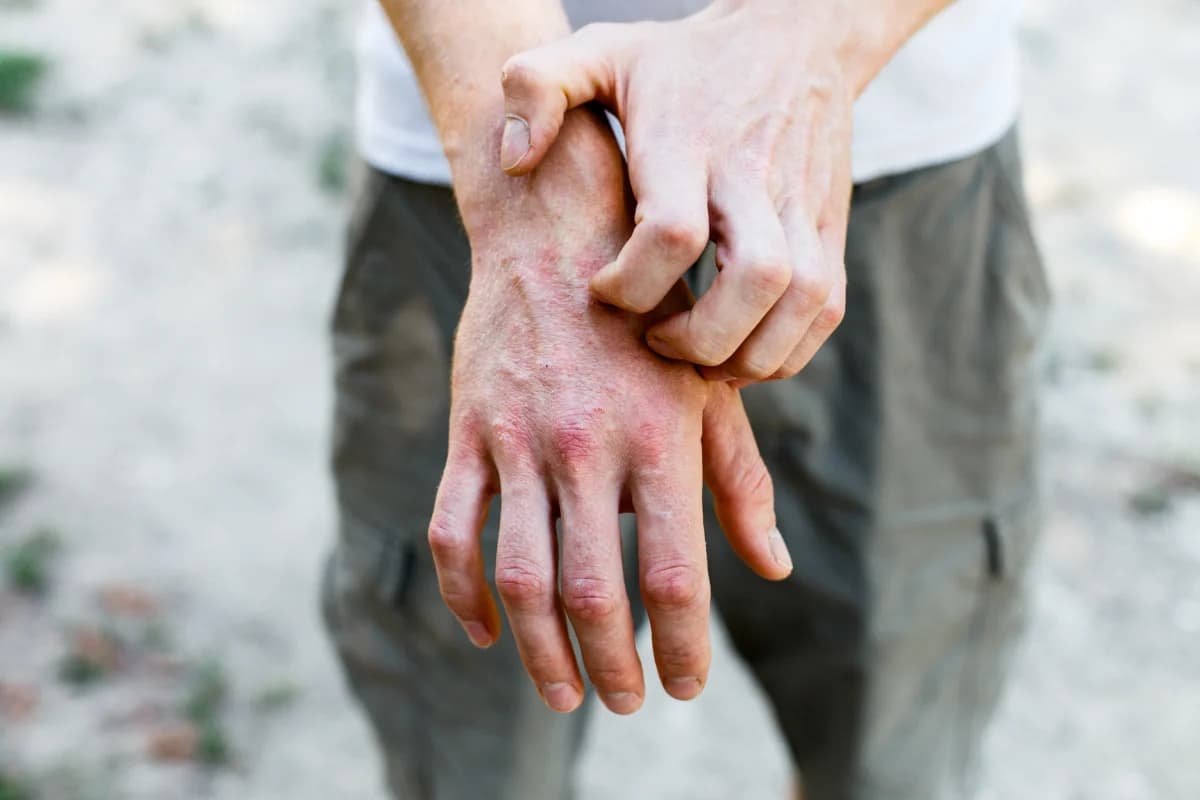
People with eczema and their families often ask themselves what can be done about the eczema triggers of this distressing skin condition. The predisposition to eczema is often inherited genetically. Unfortunately, this means that a child's risk of developing eczema rises if other members of the family have or have had eczema. If one parent has eczema, there is a 50 % probability that the children will be affected too. If both parents are affected, the probability that the children will also be affected is as high as 80 %.
Genetics are, of course, hard to influence. That is why the following article mainly looks at the factors in our environment that trigger the condition. The better people with eczema or their families find out, together with a doctor, about possible eczema triggers, known as provocation or trigger factors, the better they can be avoided.
Eczema triggers – identifying trigger factors
It often helps to play detective a little and take a very close look at possible triggers. In this context, it can be helpful to question and document your own behaviour, or the behaviour of the affected child, with regard to each individual potential eczema trigger. The smart diary feature of the eczema app Nia can help with this, for example.
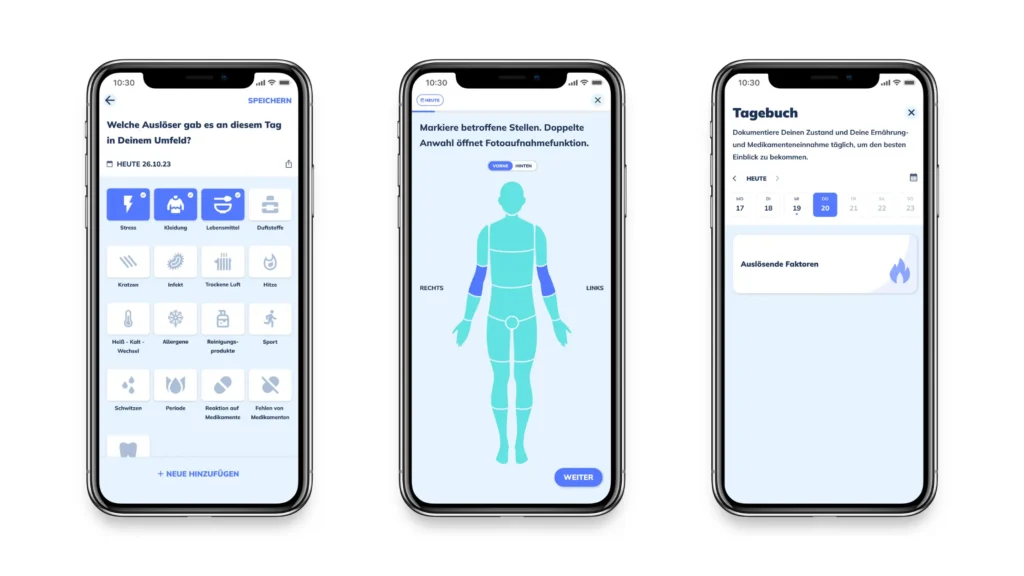
Keeping a diary with the help of the Nia app can help you identify your individual eczema triggers.
These are the 10 worst eczema triggers
1. Infections: Infections are considered one of the most common eczema triggers. A bad cold or a severe bout of flu can sometimes make the eczema worse. Usually, however, this is only temporary. A similar scenario can occur after a vaccination. But concluding from this that you should avoid vaccinations in general would be wrong. Skin affected by eczema is usually more densely colonised with germs that are otherwise also found on the skin. The better the therapy works, the fewer bacteria can be detected on the eczema. In general, the skin of people with eczema is more prone to skin infections.
If there is increased blistering (similar to a herpes infection), honey-yellow crusts (as with a bacterial infection) or ordinary warts or molluscum (water warts), it may be advisable to consult a doctor. Sometimes it is then necessary to start a targeted therapy against the excessive bacterial colonisation of the skin.
2. The winter season: The skin of people with eczema is usually very dry. In winter, the situation gets worse. It is similar in extremely dry rooms or with big changes in temperature. In such situations, the skin of people with eczema may react with itching.
Products that foam a lot are common eczema triggers
3. Skin care products: People with eczema should avoid irritating substances on their skin. Classic soaps should be avoided and only pH-neutral bath oils or washing lotions used instead. Showering or bathing too often can also have a negative effect on the skin. That is why many people with eczema find it very helpful to shower only every 1–3 days. The water temperature should not be too high, though, and bathing time should be no longer than about 10–15 minutes. In this context, it is especially important to use suitable washing products only sparingly.
Tip: Avoid products that foam a lot, as they dry the skin out particularly badly! And after showering/bathing: moisturise your skin well!
Well-known ingredients to avoid in creams and other cosmetics:
- Balsam of Peru
- Lanolin
- Emulsifiers
- Arnica and chamomile (in natural plant extracts)
Stress makes itching worse
4. Stress: Stressful situations not only add to inner restlessness, but above all make the skin itch more. Increased itching can in turn trigger an eczema flare-up. Children in particular can feel stress because of their sensitivity. Changes in everyday life (such as the first day at nursery, an exciting birthday party or a trip) often already mean big changes for children. A major source of stress for children, even if usually subconscious, is sensing that their parents are suffering because of their child's eczema.
5. Food: Food intolerance or a food allergy is often suspected to be the number 1 eczema trigger. However, food is responsible for triggering a flare-up in people with eczema much less often than is generally thought. That is why diets should only be followed if a doctor has confirmed the allergy with a skin or blood test.
However, because of intolerance reactions, people with eczema should rather avoid some foods, or at least look at them critically:
- Citric acid (orange juice, lemon juice, etc.)
- Flavourings (e.g. ripe tomatoes)
- Red wine
- Aged cheese
Textiles can trigger skin irritation
6. Clothing: Some people with eczema name clothing that makes them itch as a trigger. Some people cannot wear wool on their skin because it triggers eczema flare-ups (sometimes similarly with synthetic fibres).
In general, the clothing of people with eczema should be made of fibres that absorb sweat, are soft and are easy to clean. You should also make sure that seams or labels do not irritate the skin.
Tip:* *Try wearing clothes “inside out” and not too tight.
When in contact with babies and toddlers, parents should also pay attention to their own clothing. Especially when cuddling and carrying the child, some of the parents' textiles could trigger skin irritation in the child.
7. Fragrances: Occasionally, eczema flare-ups can also occur after contact with strong fragrances. That is why it is especially important that your daily skin care products contain as few fragrances as possible.
In addition, tobacco smoke in particular (not only from active but also from passive smoking), or the soot particles in tobacco smoke, can in some cases make eczema worse. Another scientific study shows that smoking during pregnancy, apart from a large number of other harmful effects, also increases the risk that the child will develop eczema.
8. Allergens: Fortunately, allergies are not that common a trigger for eczema. However, if a skin or blood test by an allergist confirms an allergy, the eczema trigger of the allergy should of course be avoided. Allergens (e.g. pollen in the outdoor air or house dust mites indoors) can also contribute to an eczema flare-up.
Anti-allergy tablets (so-called antihistamines) can also relieve the symptoms.
Breaking the itch-scratch cycle
9. Scratching: With eczema, the eczema patches are often kept alive by an annoying vicious circle, the so-called itch-scratch cycle. The original eczema trigger that first set off a flare-up may, after a while, no longer matter at all. Instead, the eczema has “taken on a life of its own” in this itch-scratch cycle. Doctors then usually try to get the eczema and the resulting itch under control with various measures. At the same time, it is just as important to irritate the skin as little as possible by scratching. We have described how to do this in this article.
10. Heat: Another eczema trigger can be seen in particularly hot weather. So when it is very hot, or when people with eczema sweat a lot during sport, the sweat on the skin may cause an unpleasant irritation.
Tip: A diary can help you find out which situations count as eczema triggers. This lets you identify patterns that you can tackle in a targeted way. The Nia app helps you with the documentation.
In addition to the top 10 eczema triggers just mentioned, the following 3 eczema triggers should also be considered:
11. Environmental factors: Alongside individual triggers, environmental factors are important influences on eczema. Air pollution, high humidity or allergenic substances in your surroundings can affect the condition of your skin. A clean, low-allergen environment can therefore make a positive contribution to relieving symptoms.
12. Hormonal changes: In teenagers and women in particular, hormonal changes can influence the occurrence of eczema flare-ups. Puberty, menstruation or pregnancy can trigger phases of worse symptoms. Adjusting your skin care individually during such periods is crucial.
13. Medicines: Some medicines can make the skin more sensitive and so make eczema symptoms worse. These include, for example, medicines for high blood pressure or anti-inflammatories. When taking such medicines, it is important to stay in close contact with your doctor and discuss possible effects on the skin.
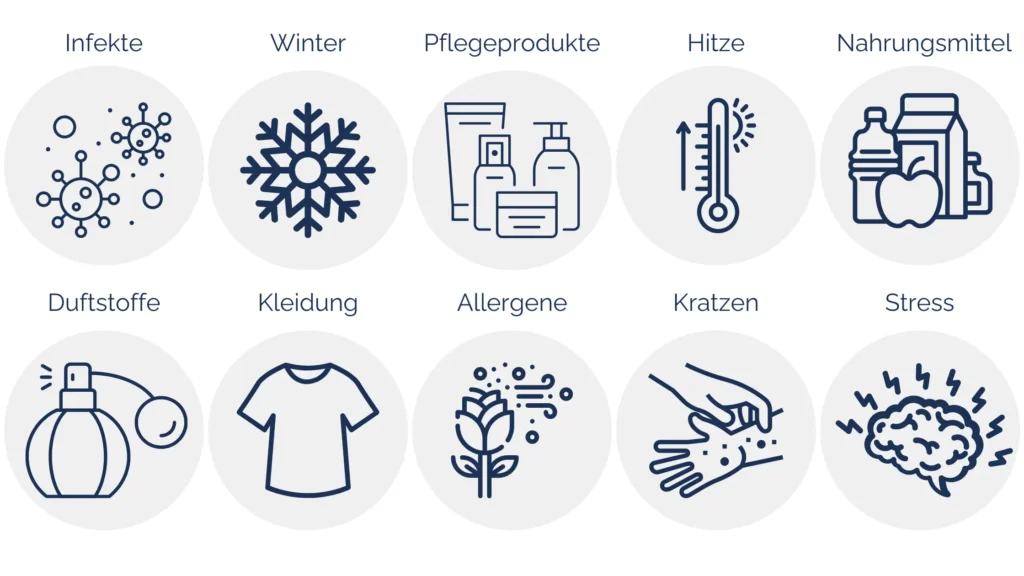
Overview of the 10 most common eczema triggers
Help with eczema triggers in everyday life
You should bear the following points in mind when dealing with eczema triggers, and they can help you in everyday life.
Diet and lifestyle
A balanced diet plays a significant role in influencing skin diseases. Certain foods can cause different reactions in different people. A healthy lifestyle with enough exercise and stress management is also important to strengthen the immune system and counteract eczema flare-ups.
Mental health
Psychological strain, such as stress or emotional challenges, can also play into the hands of eczema triggers. A supportive social environment and coping with psychological stress are therefore important aspects of holistic therapy.
UV radiation
While moderate sunlight can have a positive effect on the skin, excessive UV radiation is a potential eczema trigger. Sensible use of sun protection and avoiding excessive sun exposure is therefore advisable.
Skin care as a preventive measure
Regular and appropriate skin care is not only a response to acute symptoms, but also a preventive measure. Using hypoallergenic skin care products and an individually tailored skin care routine is crucial to strengthen the skin barrier and prevent flare-ups.
Everyday tips and home remedies
Alongside medical treatment and skin care products, everyday tips and home remedies can also have a positive effect on eczema symptoms. Wearing breathable clothing, avoiding extreme temperatures and using humidifiers in dry environments are simple but effective measures.
Strengthening the immune system with a healthy diet
A balanced diet not only plays a role in individual eczema triggers, but can also strengthen the immune system. Foods rich in omega-3 fatty acids, antioxidants and vitamins can have an anti-inflammatory effect and support skin health.
Naturopathy and alternative therapies
Some people with eczema find relief through alternative therapies such as acupuncture, homeopathy or aromatherapy. Although these approaches can work differently for different people, it is important to discuss such options with your doctor to avoid possible interactions with conventional treatments.
Controlling environmental allergens
Reducing environmental allergens, such as house dust mites, mould or pet hair, can make a significant difference for many people with eczema. Cleaning your home regularly, using bedding for allergy sufferers and air purifiers can help to minimise exposure to allergenic substances.
Education and community support
The psychological burden that comes with eczema should not be underestimated. Learning about the condition and talking to other people with eczema can make it easier to cope with the condition. Online forums, support groups or professional psychological support can be important resources.
Individualised drug treatment
Drug treatment of atopic dermatitis is highly individualised. Various topical steroids, immunomodulators or anti-inflammatory medicines can be prescribed depending on the severity and the patient's individual response. Working closely with your doctor is crucial to find the best possible drug therapy.
Looking ahead: current research and treatment approaches
Research into atopic dermatitis is constantly progressing. New treatment approaches, such as biologics, are being developed and could enable more effective control of the condition in the future. A look at current scientific findings and ongoing clinical trials can be informative for people with eczema and their doctors.
A holistic view of quality of life
The quality of life of people with eczema depends not only on medical control of the symptoms, but also on their general way of life. A balanced work-life balance, social support and learning stress management strategies can have a positive effect on overall well-being.
Vision for the future: personalised treatment approaches
As research into genetic and immunological factors advances, personalised treatment approaches could be developed in the future. The ability to tailor treatments specifically to individual needs and genetic make-up could represent a significant step forward in eczema treatment.
Prevention as a long-term approach
In the long term, preventing eczema flare-ups is a crucial approach. The early identification of triggers (with the help of the Nia app), consistent skin care and promoting a healthy lifestyle play an important role here. Avoiding risk factors such as smoking or excessive UV radiation can help.
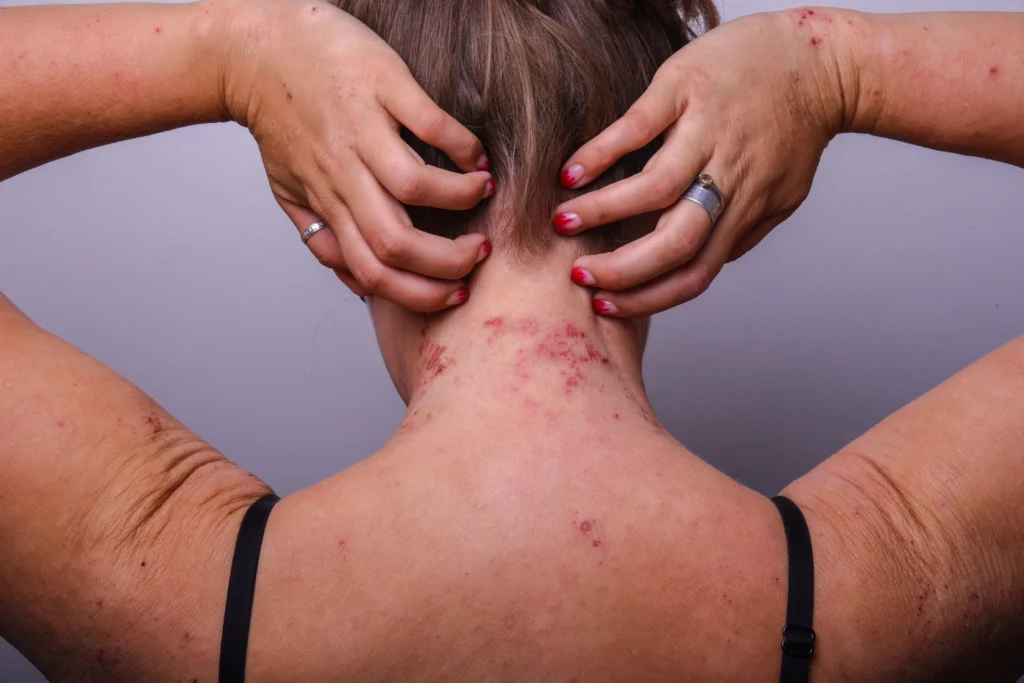
Many people with eczema face the challenge of identifying the triggers of their eczema.
Eczema triggers in children
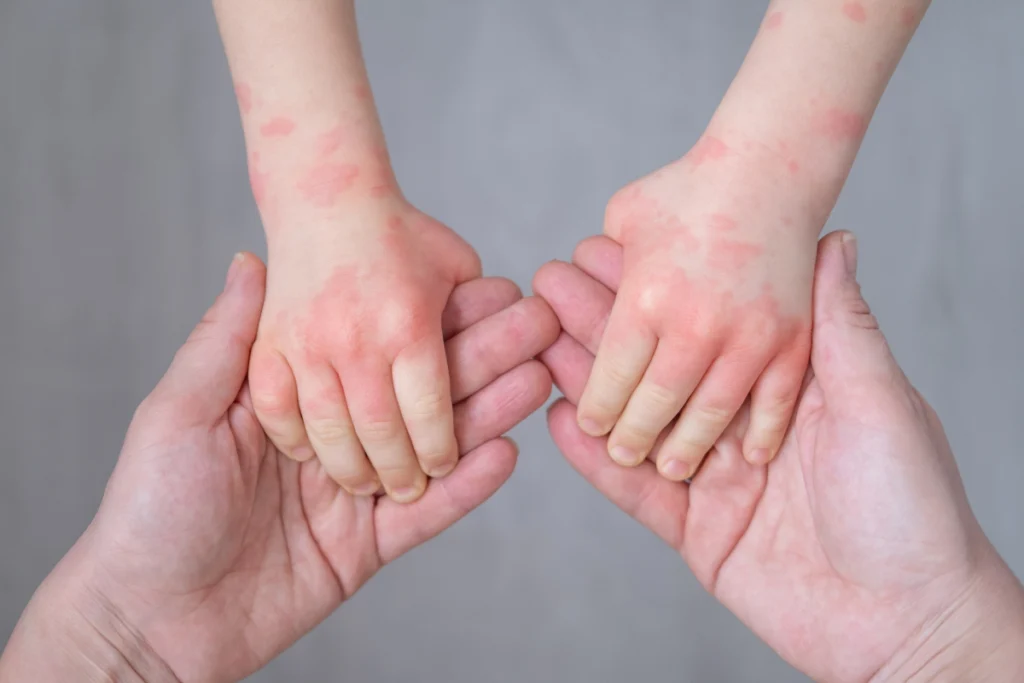
Eczema is one of the most common skin conditions in childhood and presents parents with particular challenges. Children's skin is especially sensitive and reacts quickly to external stimuli, which makes caring for it and dealing with eczema harder. Typical symptoms in children are red, itchy and inflamed patches of skin, which appear mainly in the creases of the elbows and knees and on the face.
Consistent and gentle skin care with pH-neutral products is important to strengthen the skin barrier. Soft, breathable cotton clothing and avoiding scratchy fabrics such as wool can reduce skin irritation. Parents should also make sure the environment is low in allergens and check for potential food intolerances in consultation with a doctor. Stress can make eczema flare-ups worse, so a calm environment and support in everyday life are important. The Nia app can help parents to document their child's eczema triggers and symptoms and to treat them in a targeted way.
Conclusion: a holistic view and individual adjustment
Atopic dermatitis, or eczema, is a complex condition. Eczema triggers are many and varied. A comprehensive look at individual living circumstances, environmental factors and personal needs is crucial for successful treatment. Working closely with an experienced doctor and building preventive measures into everyday life can significantly improve the quality of life of people with eczema.
Eczema triggers: final thoughts
Eczema is a complex skin condition in which various factors play a role. Genetic predisposition is a key aspect that increases the risk of eczema. If family members have or have had eczema, the likelihood that a child will also develop it increases. However, the genetic causes are hard to influence, which is why the focus is often on eczema triggers, the so-called trigger factors.
Identifying eczema triggers often requires a detective-like approach. Parents and people with eczema should closely analyse their own behaviour and that of the affected child and document possible eczema triggers. Modern technology, such as the smart diary feature of the eczema app Nia, can help here. This targeted observation makes it possible to recognise patterns and links between certain triggers and flare-ups.
Recognising and avoiding eczema triggers
The eczema triggers mentioned above are many and varied. Infections, especially colds or flu, are among the most common triggers. A bad cold can already make the eczema worse, but this is usually only temporary. Vaccinations can also cause temporary reactions. Products that foam a lot are another factor that should be avoided, as they can dry the skin out badly.
The winter season often makes the symptoms of people with eczema worse, as the skin is generally drier. Skin care products also play a crucial role. Irritating substances, such as those found in classic soaps, should be avoided. pH-neutral bath oils or washing lotions are recommended instead.
A key aspect of coping with eczema is becoming aware of the influence of stress. Stressful situations can not only lead to inner restlessness, but also make itching worse and so encourage eczema flare-ups. Children in particular, who react especially sensitively to changes in their everyday lives, can be affected by stressful events. Sensing that their parents are suffering because of the child's eczema can add to the strain.
Food intolerances are a controversial topic in eczema. It is important to stress that not all people with eczema react to certain foods in the same way. Diets should only be followed on the basis of allergy tests. While some people with eczema react to certain foods, these potential eczema triggers are rather harmless for others. Nevertheless, individual intolerances should be taken into account and diagnosed on the basis of skin or blood tests. Food allergies are often regarded as potential eczema triggers.
Clothing, especially made of wool, can also trigger itching. Carefully choosing clothing made of skin-friendly materials can further minimise skin irritation.
Allergens, fragrances and scratching the skin are other factors that can influence the symptoms. Using anti-allergy medicines and skin care products with as little fragrance as possible are further aspects that should be considered in therapy. Avoiding allergens in the environment, such as pollen or house dust mites, can also help reduce eczema flare-ups. To break the itch-scratch cycle, not only medical measures are important, but also psychological approaches. Doctors try to control the eczema and the associated itch with suitable therapies. At the same time, it is crucial to keep scratching the skin to a minimum.
The detailed analysis and identification of these eczema triggers allow more targeted treatment and more effective prevention of eczema flare-ups. Cooperation between people with eczema and their doctors and the integration of psychological support are key elements of a holistic approach. Raising public awareness and promoting education campaigns can deepen understanding of eczema and improve the lives of people with eczema.
In summary, precisely identifying eczema triggers can make targeted treatment and prevention possible. Using modern technologies and integrating holistic approaches into therapy are crucial to improve the quality of life of people with eczema in the long term. In an increasingly connected world, education and research are the key to coping with this complex skin condition.
Frequently asked questions about eczema triggers
What are the most common triggers for eczema flare-ups?
The most common triggers for eczema flare-ups are infections, certain skin care products, stress, food intolerances, certain items of clothing, fragrances, allergens, scratching, heat and hormonal changes.
How can I identify possible eczema triggers?
It helps to keep a diary in which you document the behaviour and circumstances that lead to a flare-up. The Nia app offers a smart diary feature that helps people with eczema recognise patterns and identify triggers.
Which skin care products should I avoid with eczema?
With eczema, products that foam a lot and classic soaps should be avoided. pH-neutral bath oils or washing lotions should be used instead. Products with irritating ingredients such as balsam of Peru, lanolin, emulsifiers, arnica and chamomile should also be avoided.
Can my diet trigger eczema flare-ups?
Food intolerances in eczema are a controversial topic. While some people with eczema react to certain foods, others are rather unaffected. It is therefore important to follow diets only on the basis of allergy tests. However, a healthy, balanced diet does influence the immune system and can therefore counteract eczema flare-ups.
What role does stress play in eczema?
Stress can make itching worse and so trigger an eczema flare-up. In children in particular, stressful situations and sensing the strain the condition puts on their parents can have a negative influence. Stress management and a supportive environment are therefore important.
Sources
Palmer, C. N., Irvine, A. D., Terron-Kwiatkowski, A., Zhao, Y., Liao, H., Lee, S. P., … & McLean, W. H. (2006). Common loss-of-function variants of the epidermal barrier protein filaggrin are a major predisposing factor for atopic dermatitis. Nature Genetics, 38(4), 441-446. Link: https://www.nature.com/articles/ng1767