
Can eczema be cured?
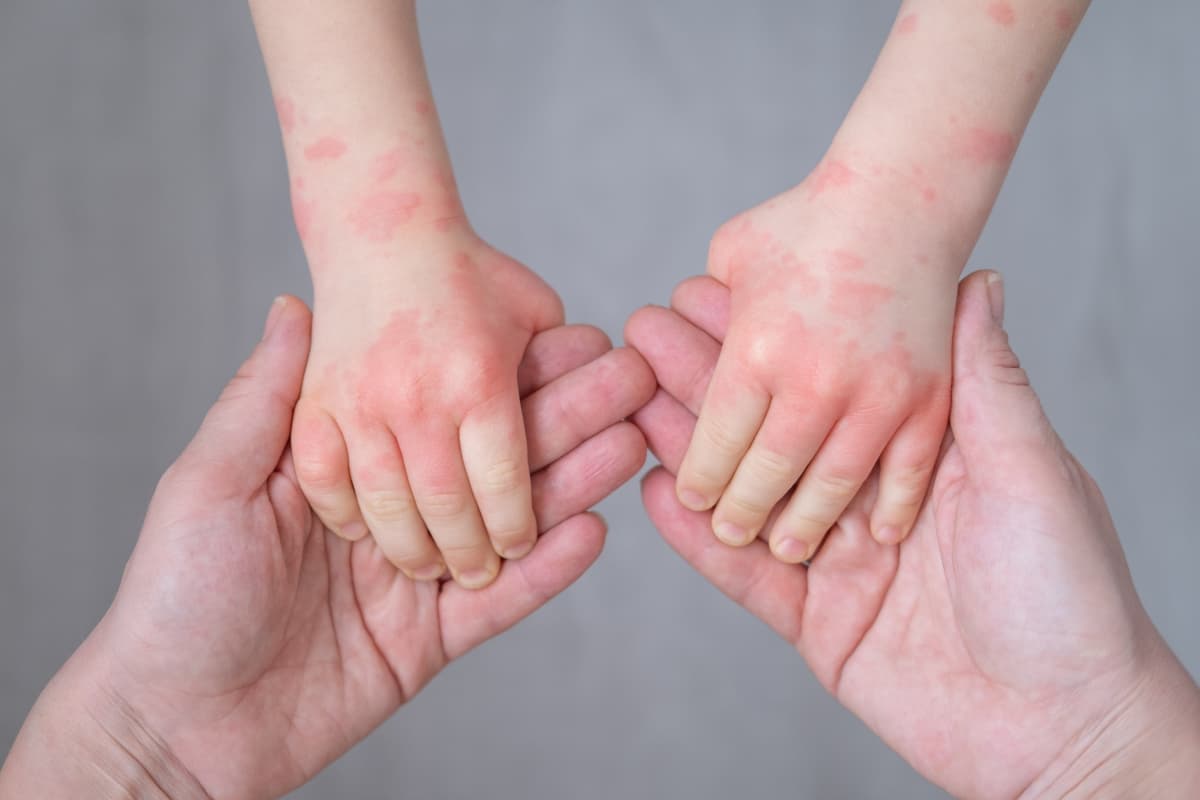
Atopic dermatitis, also known as atopic eczema, is the most common chronic skin condition in industrialised countries such as Germany. If you have eczema too, you have probably wondered at some point whether eczema can be cured. At present, there is no way to cure eczema completely. However, there are many ways to relieve the symptoms and significantly improve quality of life. With individual skin care, by avoiding known eczema triggers and, in severe cases, with medication, you can get your symptoms well under control. That makes it all the more important for people with eczema to learn about the causes and the ways to relieve it.
When it comes to basic skin care, it is important to know where the condition comes from: because eczema goes hand in hand with a lack of important skin lipids, the skin lacks a certain protection and constantly loses more moisture – which makes it dry out faster. That is why it is important for caring basic therapy for eczema to be part of your daily routine, even during symptom-free periods.

Daily basic skin care is especially important with eczema.
What exactly is atopic dermatitis, and what are its symptoms?
The symptoms can vary from person to person. Typical signs, however, are red, scaly patches of skin and sometimes weeping eczema, especially in the creases of the arms and legs, on the neck or on the face. Many people go through phases in which the symptoms are stronger and the condition clearly gets worse. This is known as an “exacerbation”. During these “flare-ups”, the itch of eczema can also get worse, among other things. The linked article has more in-depth information on the itch-scratch cycle for you.
The fact that eczema can get worse with stress, and that allergens, among other things, can also play a role, means it is not always easy to pin down the cause of a flare-up.
Flare-ups are often followed by periods in which the skin calms down again. It is important to know that eczema is more than just a skin condition. Many people with eczema suffer from physical and psychological problems. In many cases, eczema also comes with accompanying conditions such as hay fever or asthma, which affect overall well-being.
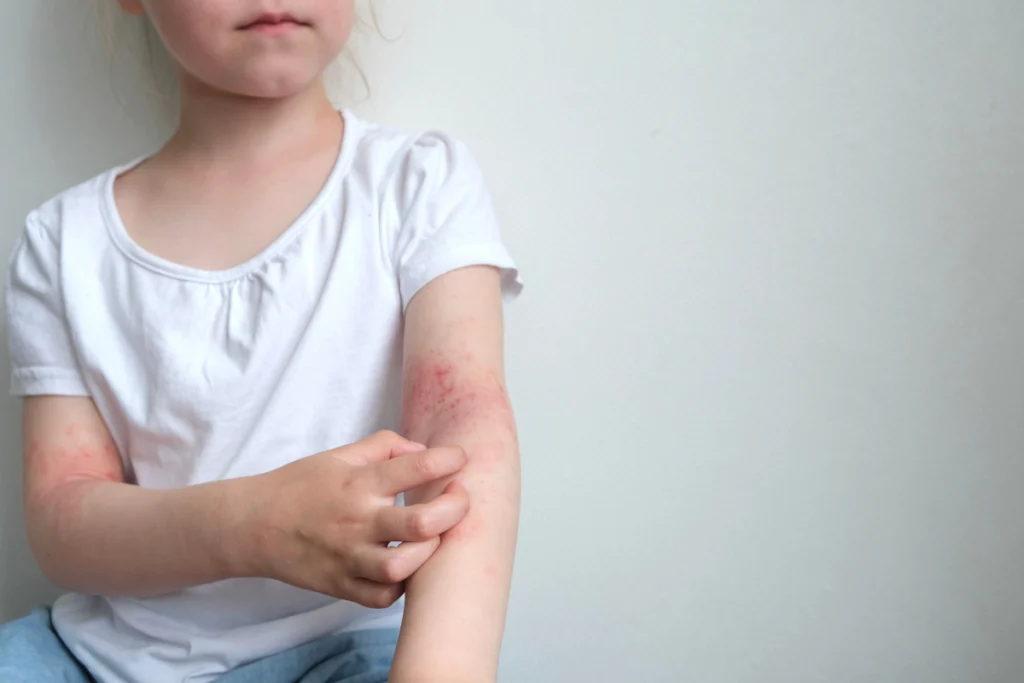
Many people develop eczema in childhood.
How does eczema develop?
If you want to learn more about the condition, you should first look at how it develops, in other words the causes of eczema. It is important to consider two levels here: on the one hand, there is the question of why people get (or can get) the condition at all; on the other, there are certain eczema triggers that make symptoms worse.
As a chronic inflammatory skin condition, atopic dermatitis often first appears in infancy or early childhood. To this day, medical and dermatological research has not been able to fully explain the cause of the condition. If eczema runs in your family, you are more likely to develop it too. There is an increased risk of developing atopic dermatitis if close family members such as parents or siblings have eczema, asthma or hay fever. The likelihood of a child developing it is 20 to 40 percent if one parent is affected. If both parents are affected, the risk rises to 60 to 80 percent.
But what exactly sets off eczema? In principle, the skin barrier is often impaired in people with eczema, so the outermost layer of skin cannot perform its protective function well enough. This means that the skin barrier is often weakened in people with eczema. In addition, research has identified a number of factors that can trigger eczema flare-ups. This weakening of the skin barrier makes it easier for irritants and allergens to penetrate the skin and trigger inflammation and itching.
Many factors can influence a person's eczema. Here you will find a summary of possible triggers and reasons that may be responsible for symptoms getting worse – known as trigger factors:
- Excessive hygiene: Too high a standard of hygiene, such as frequent handwashing and disinfecting, can impair the development of the immune system and lead to skin problems such as eczema.
- Allergies and intolerances: The skin of people with eczema reacts sensitively to allergens such as house dust, animal hair, pollen, nickel or fragrances. Food allergies or intolerances can also trigger eczema.
- Infections: When the skin barrier is disrupted, colonisation and infection with certain microorganisms can lead to inflammatory reactions. Infections of the airways or teeth can also trigger a skin reaction.
- Internal factors: Hormonal fluctuations, for example during menstruation or pregnancy, can encourage eczema flare-ups.
- External factors: Cold, dry or humid air, tobacco smoke, intense heat and sweating can irritate the skin. Excessive cleansing, scratchy clothing such as wool and other substances that come into contact with the skin can also trigger eczema.
You can find out more about the most common eczema triggers here.
Identifying their individual triggers is a big challenge for many people with eczema. Regularly documenting the condition of your skin can be crucial for spotting possible triggers early. Digital apps such as the eczema app Nia let people with eczema and the families of affected children document the skin's condition quickly and easily. You can download the Nia app for free from the App Store or Google Play.

Many factors, including stress, can make the course of eczema worse.
Self-help tips and coping with eczema in everyday life
Eczema can have a big impact on the well-being of the people affected and of their families. With a few tips, however, everyday life can be made more comfortable and quality of life improved. First: try to keep your skin moisturised at all times. Fragrance-free creams are your best friends. Pay attention to your clothing too: cotton is great because it does not irritate the skin. Stress is a real trigger for eczema, so make sure you take regular breaks to relax. And when it itches? Try not to scratch! Cool compresses or a moisturising lotion can help to relieve the itch. It is also smart to pay attention to your diet, because some foods can make eczema worse. We look at the topic of diet and eczema in more detail in the next section. The Nia app can also help people with eczema achieve more well-being and more control over the condition of their skin.
What role does diet play in eczema, and should certain triggers be avoided?
Diet and eczema: diet can play an important role in eczema, because some foods can act as triggers that make the symptoms worse. Although there is no one-size-fits-all solution, many people with eczema report that their symptoms improve when they avoid certain foods. The most common trigger foods include cow's milk, eggs, soy, nuts and gluten. It can help to keep a food diary to find out which foods trigger symptoms for you personally. A balanced diet with plenty of fresh fruit and vegetables can also help to reduce inflammation. We look at whether vitamin D can improve eczema symptoms in a separate article. As a rule, any change in diet is best discussed with a doctor or a nutrition counsellor.
Can alternative treatments such as acupuncture or homeopathy help?
Many people with eczema look for alternative treatments to relieve their symptoms. Acupuncture is often tried because it can reduce stress, which in turn could reduce itching and inflammation. Some people also value homeopathy as gentle support, although its effectiveness can vary greatly from person to person. A study at the Charité in Berlin shows that both osteopathy and acupuncture can help reduce the use of topical corticosteroids (corticosteroid creams) in the treatment of atopic dermatitis. Acupuncture can also ease the itch. In general, it is important that you always see such methods as an addition to medical treatment and ideally get medical advice beforehand. Because even if these approaches can bring relief, they do not replace conventional medical therapy.
Conclusion on the question “Can eczema be cured?”:
Because, according to current medical knowledge, it is unfortunately not possible to reverse the inherited disorder of the skin's protective barrier, eczema cannot be cured. However, an individually tailored therapy combined with the right diet and skin care can allow people with eczema to live without symptoms for a long time. So be careful with so-called experts who promise you a complete cure of the condition. Because the effect of such treatments has not been scientifically proven, the symptoms can, in the worst case, even get worse. One reason for this is that conventional, proven treatments are then often neglected. So always rely on medical advice here.
Sources:
- https://www.dha-neurodermitis.de/neurodermitis.html (accessed 14.06.2024)
- https://onlinelibrary.wiley.com/doi/10.1111/ced.15340 (accessed 17.06.2024)