
Why green tea is skin-friendly and healthy: 3 DIY matcha recipes
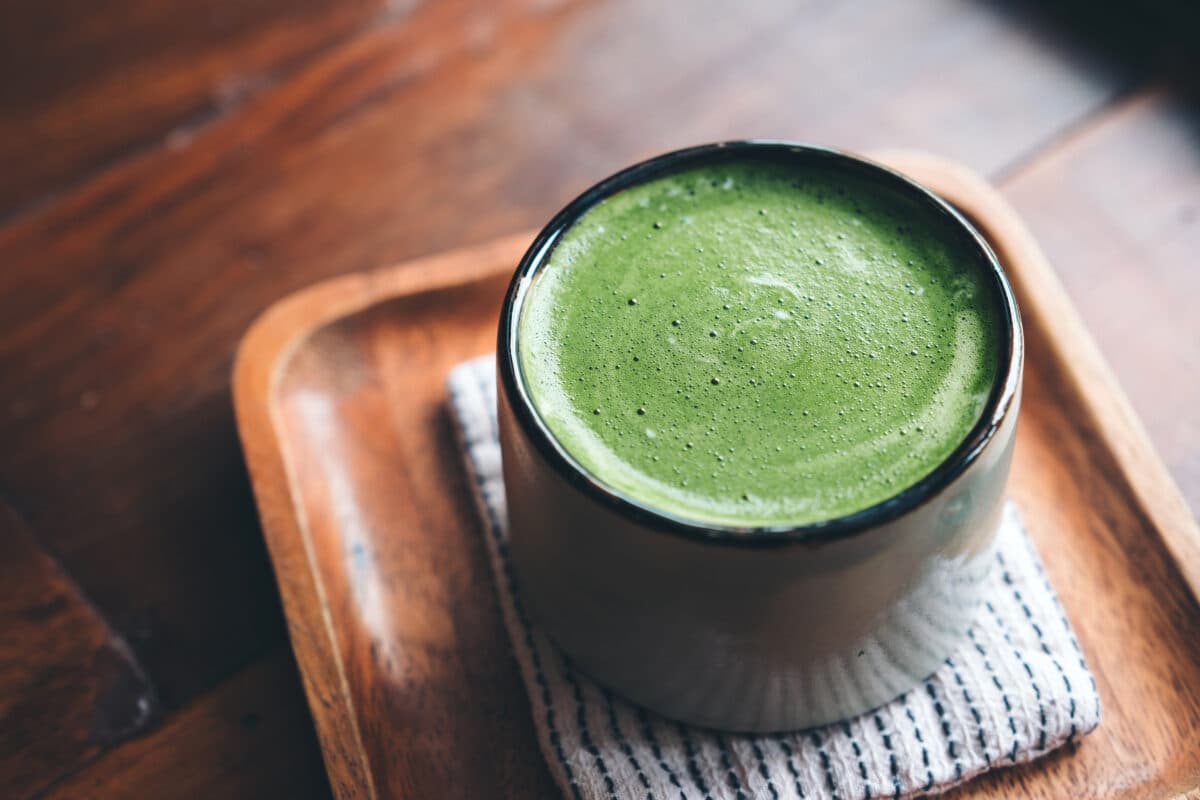
Some people with eczema wonder whether green tea could improve their skin and health. This article is about a special green tea, namely matcha. Enjoying this tea may be a useful addition to managing eczema and a soothing ritual for a healthy life. Find out why green tea is skin-friendly and reduces stress, and how you can make a matcha infusion yourself.
Matcha is a special green tea
Just like black or green tea, matcha comes from the tea plant (Camellia sinensis). However, the way it is produced differs from how ordinary green tea is made. About three weeks before the harvest, the tea plants are shaded to encourage the growth of new, tender leaves. These leaves have an intense green colour and a higher content of chlorophyll and amino acids.
After the harvest, the leaves are gently steamed, dried and separated from the stems and veins. The remaining leaf pieces (tencha) are ground into a fine powder. Because this process is very elaborate, matcha is extremely valuable and more expensive in our shops than conventional tea.
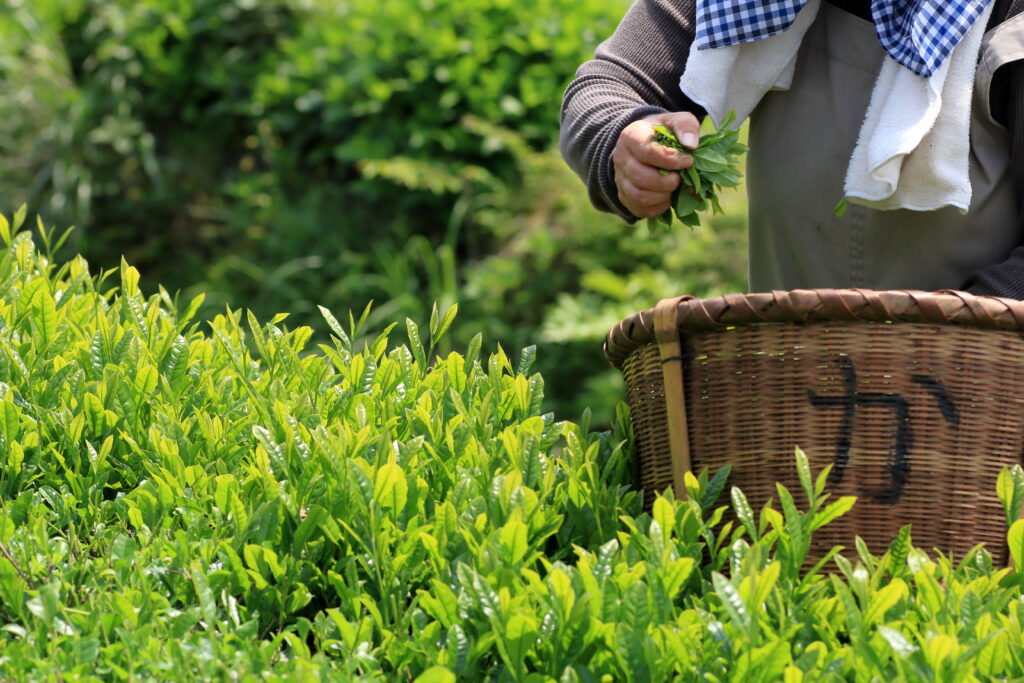
This is how matcha, the green tea from Japan, is harvested
How green tea can improve your skin
- Matcha is rich in polyphenols, which are known to be powerful antioxidants. These compounds can protect the skin from oxidative stress. This reduces inflammatory reactions that are involved in eczema symptoms. So your skin benefits from antioxidants such as the polyphenols in matcha.
- The antioxidant effect of matcha can also help protect the skin from UV radiation and reduce the development of sun damage such as sunburn and pigmentation spots. Of course, green tea such as matcha is no substitute for sun protection, which is important with eczema too.
- By cleansing the skin cells, matcha can also help remove impurities and improve acne and other skin problems.
- Matcha also has anti-inflammatory properties that can help treat skin irritation and inflammation, such as eczema or redness. In this way, green tea could have skin-friendly effects in eczema.
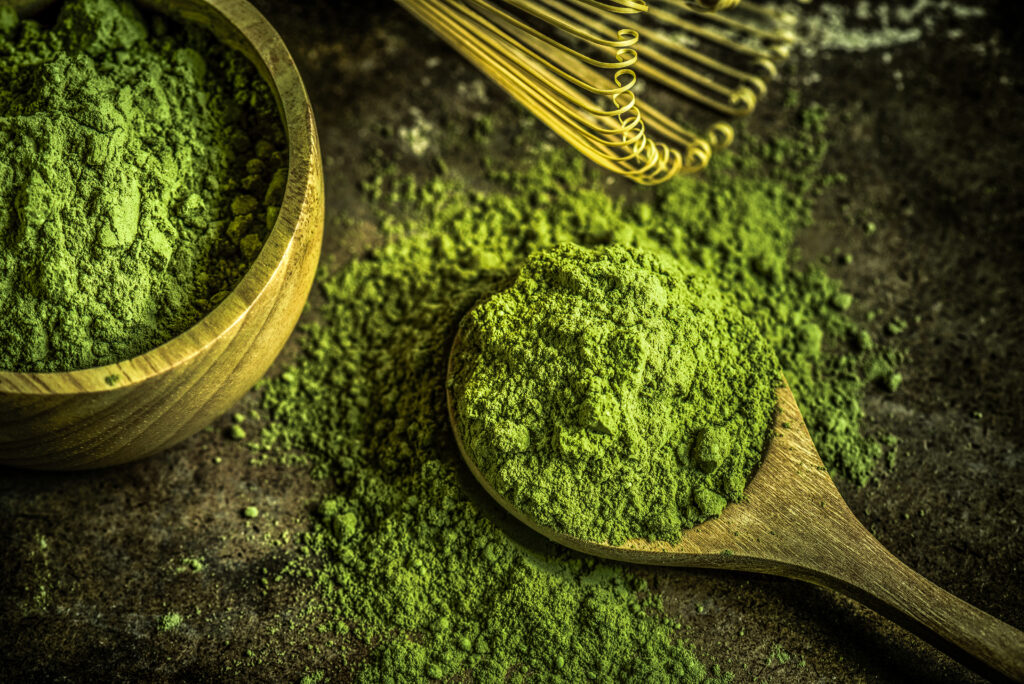
How green tea can support your skin with sunburn and eczema
Green tea is skin-friendly thanks to its anti-inflammatory properties
Matcha has many anti-inflammatory properties and is therefore especially well known as a green tea with skin-friendly effects.
- Rich in antioxidants: Matcha is rich in catechins, a type of antioxidant that can help fight free radicals in the body. Free radicals are harmful molecules that can cause inflammation in the skin. Drinking matcha regularly can reduce the amount of free radicals and thus also lower the risk of inflammatory skin diseases.
- Anti-inflammatory effect: The catechins in matcha also have anti-inflammatory properties. They can help reduce inflammation in the skin and relieve redness and swelling. By inhibiting inflammatory processes, matcha can help improve skin problems such as acne, rosacea or eczema.
- Calming effect: Another benefit of matcha is its calming effect on the skin. The L-theanine it contains, an amino acid, helps reduce stress and improve your mood. Applying matcha products to the skin can calm it and relieve any irritation or itching.
- Less skin ageing: Matcha also contains epigallocatechin gallate (EGCG), a compound associated with anti-ageing properties. EGCG can help stimulate collagen production in the skin, which in turn helps maintain skin elasticity and reduce fine lines and wrinkles.
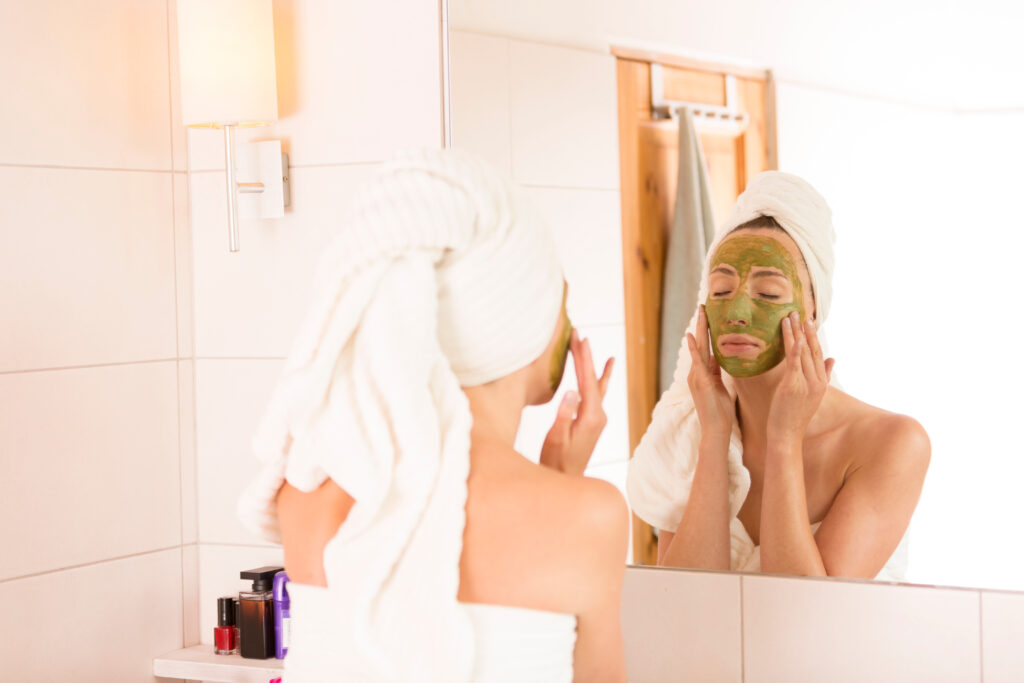
Applying skin-friendly green tea with face masks.
Applying skin-friendly green tea: DIY matcha creams
Matcha is not only a delicious drink but also a wonderful skin care product. Here are some DIY matcha skin care recipes that you can try at home.
- Matcha face mask:
- Mix two teaspoons of matcha powder with one tablespoon of yoghurt.
- Apply the mixture evenly to your face and leave it on for 15–20 minutes.
- Rinse off the mask with warm water and gently pat your face dry.
- This mask helps calm your skin and give it a healthy glow.
- Matcha body scrub:
- Mix one cup of sugar with one tablespoon of matcha powder and half a teaspoon of coconut oil.
- Gently massage the mixture into damp skin using circular movements.
- Rinse off the scrub thoroughly and enjoy the silky-smooth results.
- This scrub removes dead skin cells and leaves your skin soft and supple.
- Matcha eye cream:
- Warm one teaspoon of coconut oil and half a teaspoon of beeswax in a water bath until they have melted.
- Add one teaspoon of matcha powder and stir well.
- Pour the mixture into a small container and leave it to cool.
- Gently apply the cream around the eye area to reduce fine lines and puffiness.
Protecting your skin with the right precautions when using green tea
When using matcha on your skin, there are possible side effects and precautions to keep in mind. Although green tea is skin-friendly, it can cause allergic reactions or intolerances in some people. Here are some possible side effects and precautions to bear in mind:
- Allergic reactions: Some people can be allergic to matcha. Skin irritation, itching, redness or swelling may occur. It is recommended to do a patch test to find out whether you are allergic to matcha before you apply it to large areas.
- Quality of the matcha product: Make sure you buy high-quality matcha products. Cheaper versions may contain impurities or low-quality ingredients that can cause skin irritation.
- Excessive use: As with all skin care products, it is important to use matcha in moderation. Using too much can dry out or irritate the skin.
- Avoid eye contact: Avoid direct contact with the eyes, as matcha can cause irritation in the eyes. If matcha accidentally gets into your eyes, rinse them immediately with clean water and see a doctor if the discomfort persists.
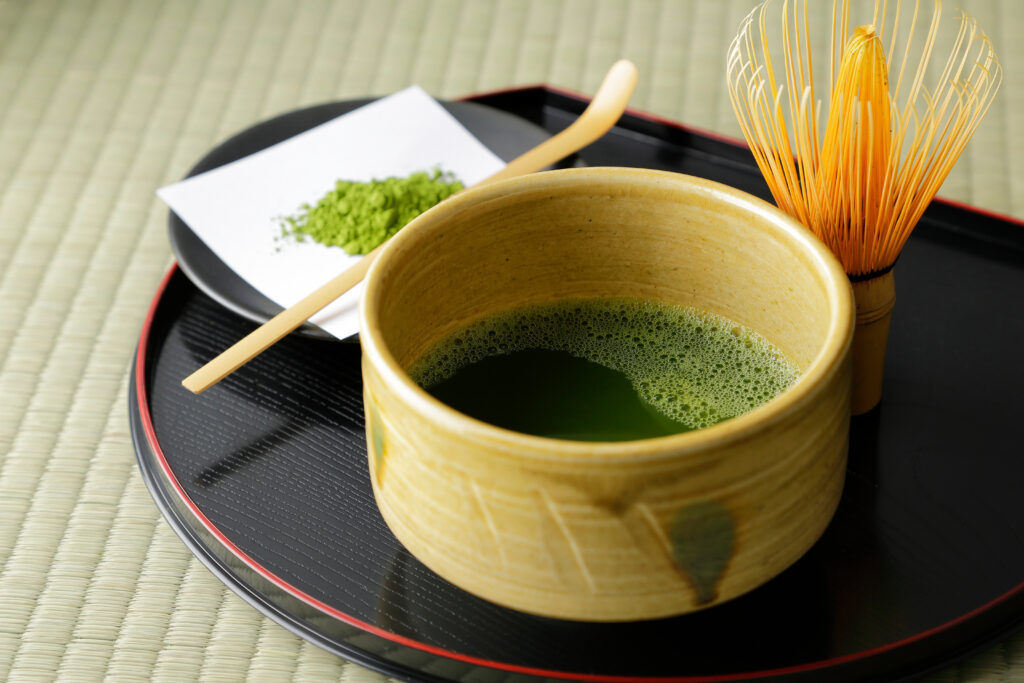
Mindful preparation of matcha tea
A matcha drink is usually prepared in a special bowl with a bamboo whisk. Here is a short guide if you would like to enjoy your day with a healthy cup of this drink:
- Sift the powder into the bowl to remove lumps.
- Pour hot but not boiling water (approx. 100–200 ml) over the matcha powder. The ideal temperature is 70–80 degrees Celsius.
- Mix with the bamboo whisk. Whisk in an M-shaped pattern until small bubbles/foam appear. If you don't have a bamboo whisk, you can use an ordinary whisk instead.
- Enjoy: You can drink the tea straight from the bowl, or make a “matcha latte” by topping it up with some cow's milk or plant milk.
You can easily prepare matcha the traditional way at home too. It is a wonderful mindfulness exercise. Why mindfulness not only intensifies the taste of your drink but is also beneficial for eczema is something you can find out in this article.
Source:
- Smith, Claire. „The Anti-Inflammatory Benefits of Matcha.“ Mind Body Green, 19 Oct. 2017, www.mindbodygreen.com/0-27042/the-anti-inflammatory-benefits-of-matcha.html.