
These pollens are already in the air in January
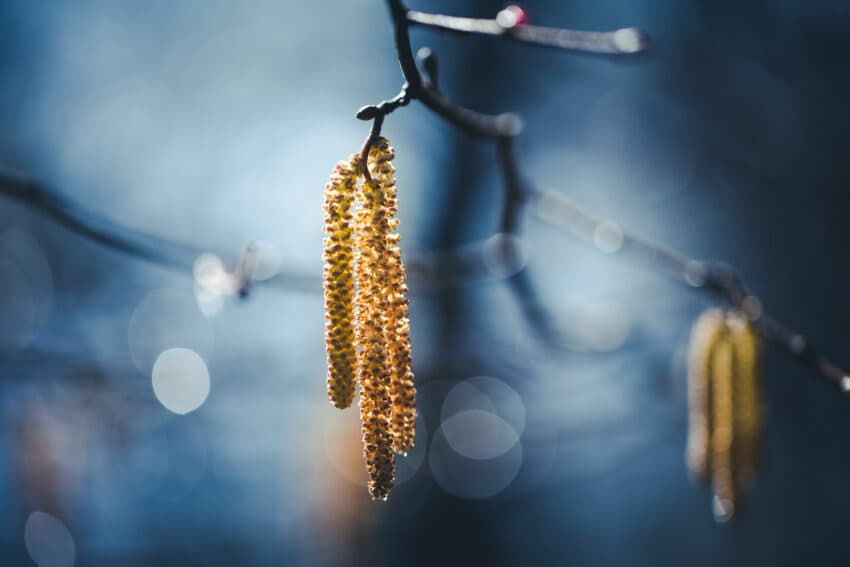
The turn of the year 2023 came with alarmingly high temperatures. On New Year's Eve, 20 degrees in southern parts of Germany broke the record for the warmest weather ever recorded at the end of the year. Since the start of the new year, too, it has stayed unusually mild. This is now affecting nature: mild winters lead to an exceptionally early start to the pollen season.
Hazel is already in bloom
People with allergies hardly get a break in such mild winters. Since the beginning of January, the Allergy Centre Switzerland (aha!) has been reporting moderate levels of hazel pollen. In south-west Germany, too, for example in Rhineland-Palatinate, hazel and in some places alder are already releasing pollen. Hazel is one of the early bloomers and today flowers about a month earlier than it did 30 years ago. However, pollen levels are highest in March and April.
Which pollens are in the air, when and where?
Many weather services provide information on current pollen counts and pollen forecasts. For example, the German Weather Service (Deutscher Wetterdienst, DWD) offers the tool “DWD Pollenprognose” (pollen forecast).
A break can be important, especially at the height of hay fever season. If you can, plan your holiday in a region with little pollen. In the mountains, for example, there is hardly any pollen above about 2,000 metres. Levels are also lower by the sea.
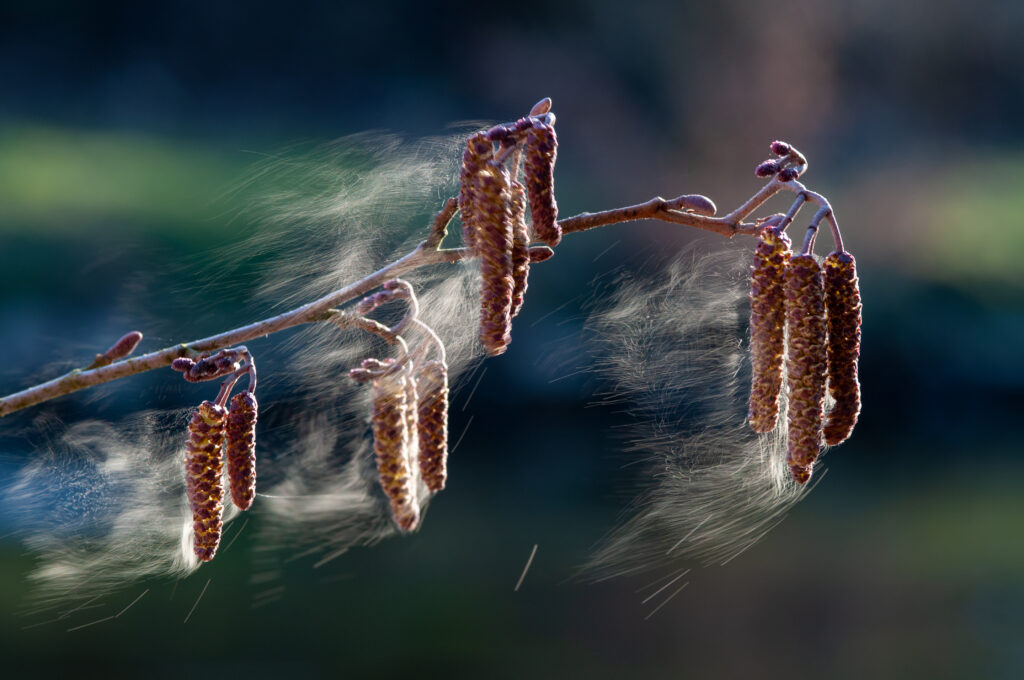
Alder is already flowering in January too
Allergy tablets relieve symptoms
Experts advise taking medication for allergy symptoms already now. Antihistamines are very often used to treat the symptoms of pollen allergies. As the name suggests, these medicines block certain receptors and so reduce the effect of the inflammatory messenger histamine.
Antihistamines can be used in different ways, for example as nasal sprays and eye drops. If you take antihistamines as tablets, second-generation active ingredients are a sensible choice, because these newer allergy tablets hardly make you tired.
Ask about desensitisation
There are a few ways to make everyday life more bearable during the pollen season. It is important to note that these tips are usually only recommended alongside medical treatment. So they cannot replace immunotherapy (desensitisation), in which the body learns over two to three years to deal with the allergens normally.
Desensitisation is usually started in autumn or winter. But there are also products that allow immunotherapy to be started more flexibly during the year. Ask your doctor which type of immunotherapy might be right for you.