
Pollen: what’s in store for people with eczema?
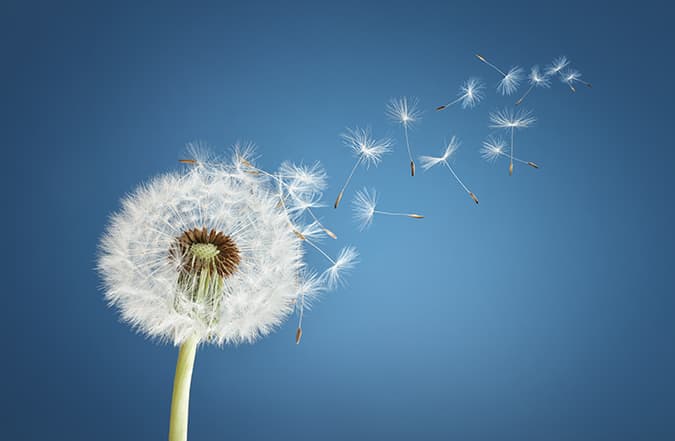
Regardless of eczema, pollen is one of the most common triggers of seasonal allergies. Many people, especially people with eczema, will know pollen allergy as annoying “hay fever”.
The Deutsche Haut- und Allergiehilfe (DHA, German skin and allergy aid association) advises people with eczema to take particular care to protect themselves when pollen is flying.
Allergic to pollen with eczema: 8 out of 10 people affected
According to DHA statistics, around 70% – 80% of people with eczema are affected by environmental allergens such as pollen, which can cause an eczema flare-up.
Pollen gets into the body through the skin
Particularly awkward for people with eczema: pollen enters the body not only through the airways but also through the skin. People with eczema have a permeable and rather weakened skin barrier. Pollen gets through this more easily than through healthy skin. Pollen getting in can trigger an allergic reaction.
What is behind pollen allergy?
Most of the pollen that triggers allergic reactions comes from trees, weeds and grasses. These plants produce small, light and dry pollen grains that travel on the wind.
Grasses are the most common cause of allergies. Certain types of tree, including birch and oak, also produce highly allergenic pollen. Plants pollinated by insects, such as roses and some flowering trees such as cherry and pear trees, do not normally cause an allergic reaction.
10 tips against pollen for people with eczema
There are steps you can take to reduce allergic reactions to pollen:
- Moisturise: Apply a suitable moisturiser to your skin regularly. This supports the build-up of the skin barrier and makes your skin more resilient. For people with eczema, it is a good idea to use a cream that contains no fragrances, colourings or preservatives. At the height of pollen season, it is advisable to apply the cream to your whole body in the morning and in the evening.
- There’s no place like home: Limit your outdoor activities when pollen levels are high. This reduces the amount of pollen allergen you breathe in and eases your symptoms. If you are planning a trip or even a holiday, go to a pollen-free region if possible, for example the seaside, an island or high mountains.
- Windows closed: Keep the windows closed as much as possible during pollen season. This also applies when driving. In rural areas, the pollen concentration is usually highest from morning until midday. In the city, the pollen concentration is highest in the evening. So if you live in the countryside, you should air your home in the evening. If you live in the city, it is ideal to air your home in the morning. A pollen screen on the window can also help keep pollen out while airing.
- Better early than late: Start taking allergy medication in good time, in consultation with your specialist – ideally before pollen season begins. Most allergy medicines work best when taken this way. This way the medicine can stop your body from releasing histamine and other chemicals that cause your symptoms.
- Showering: Wash and shampoo your hair every day before going to bed. This removes pollen from your hair and skin and keeps it away from your bedding.
- Cleaning: Wash your bedding once a week in hot soapy water. Also keep your home clean by vacuuming regularly. A vacuum cleaner with a filter system keeps allergenic particles away.
- Sunglasses: Wear sunglasses and a hat. This helps keep pollen away from your eyes and hair.
- No four-legged friends: Limit close contact with pets that spend a lot of time outdoors.
- Change your clothes: Change and wash the clothes you wear for outdoor activities.
- Tumble dryer: Dry your clothes in a tumble dryer, not on a washing line outdoors.
What are the symptoms of a pollen allergy?
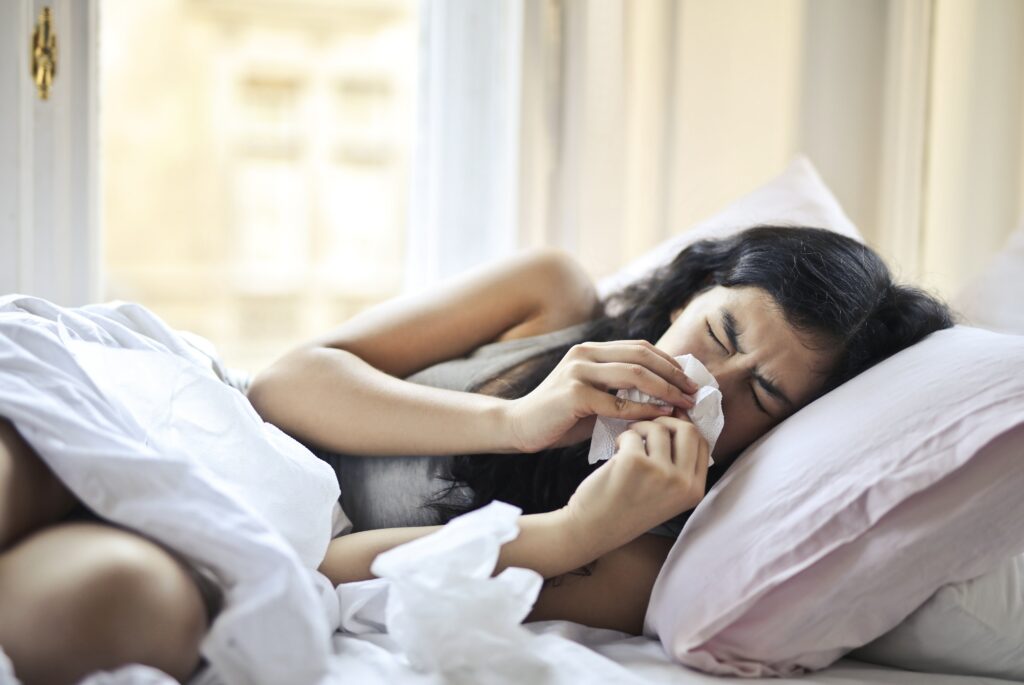
People with a pollen allergy only have symptoms when the pollen they are allergic to is in the air. Symptoms include:
- Runny nose and mucus production
- Sneezing
- Itchy nose, eyes, ears and mouth
- Blocked nose
- Red and watery eyes
- Swelling around the eyes
What does treatment for pollen allergy look like?
Certain over-the-counter and prescription medicines can help reduce the symptoms of a pollen allergy. Always ask your doctor for advice when choosing the right medicine for you.
- Antihistamines are available as pills, liquids or nasal sprays. They can relieve sneezing and itching in the nose and eyes. They also reduce the symptoms of a “runny nose” and, to a lesser extent, make it easier to breathe in through the nose.
- Decongestants are available as pills, liquids, nasal sprays or drops. These help shrink the lining of the nasal passages and relieve nasal obstruction. Only use decongestant nasal drops and sprays for a short time.
- Intranasal corticosteroids are a type of nasal spray. They reduce inflammation in the nose and block allergic reactions. They are the most effective type of medicine for allergic rhinitis, as they can relieve all symptoms, including nasal congestion. Intranasal corticosteroids can have a few side effects.
- Cromolyn sodium is a nasal spray that blocks the release of chemicals such as histamine and leukotrienes, which cause allergy symptoms. This medicine has only a few side effects, but it has to be taken four times a day
Many people with pollen allergy are not completely freed from their symptoms by the medicines. In this case, an individual treatment plan should definitely be discussed with a specialist.
Where can I find more information?
You can find further information on the pages of the DHA. The Deutscher Wetterdienst (German Weather Service) provides a daily updated hazard index for pollen for the eight most important pollen types for allergies in Germany: ragweed, mugwort, birch, alder, ash, hazel, rye and sweet grasses.
Source:
nationaleczema.org