
Practical Tips for Moisturising
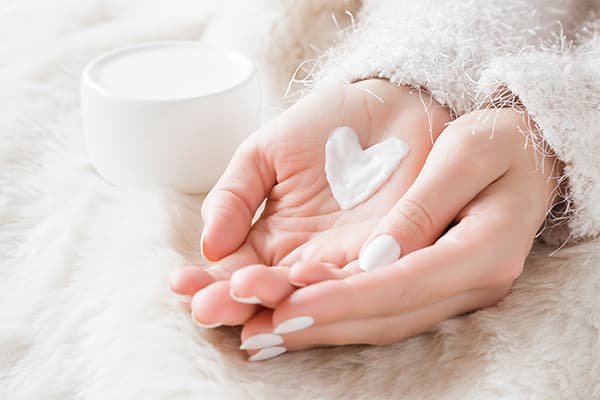
Helpful when moisturising:
- Create a calm atmosphere
- Incorporate moisturising time into the daily routine
- Involve your child in the treatment: fetching the cream, applying it independently to individual body parts, e.g. an arm, a leg, …
- Ask about or recognise individual dislikes and let your child have a say (age-appropriately) in choosing the skincare product for basic therapy
- On irritated or broken skin, pat the skincare product in rather than rubbing it on
- Where the condition of the skin allows, use nourishing skincare products that absorb easily
- Where the condition of the skin allows, consider combining moisturising with a gentle massage
10 Moisturising Tips
Here’s what to keep in mind:
- Wash your hands thoroughly before applying cream
- Use a wooden spatula or a clean spoon to remove product from ointment jars; use a new spatula or spoon each time you take some out; this is especially important when dealing with infected skin
- When using cream tubes, dispense the cream onto the back of your hand first
- Opt for cool creams where possible
- Remove any cream or ointment residue from the lid and threads of the container
- Apply cream from top to bottom (face, neck, arms, stomach, back, feet, legs, and buttocks last)
- Use a circular application technique where possible, and spread the basic therapy product across the body using the whole palm of your hand
- Apply a thin layer of cream over the entire skin and massage the basic therapy in well; apply a slightly thicker layer to reddened or particularly dry areas
- Keep fingernails short — filing them may help
- After moisturising infected skin, and also after applying glucocorticosteroids or topical calcineurin inhibitors, always wash your hands thoroughly