
Building the self-confidence of children with eczema
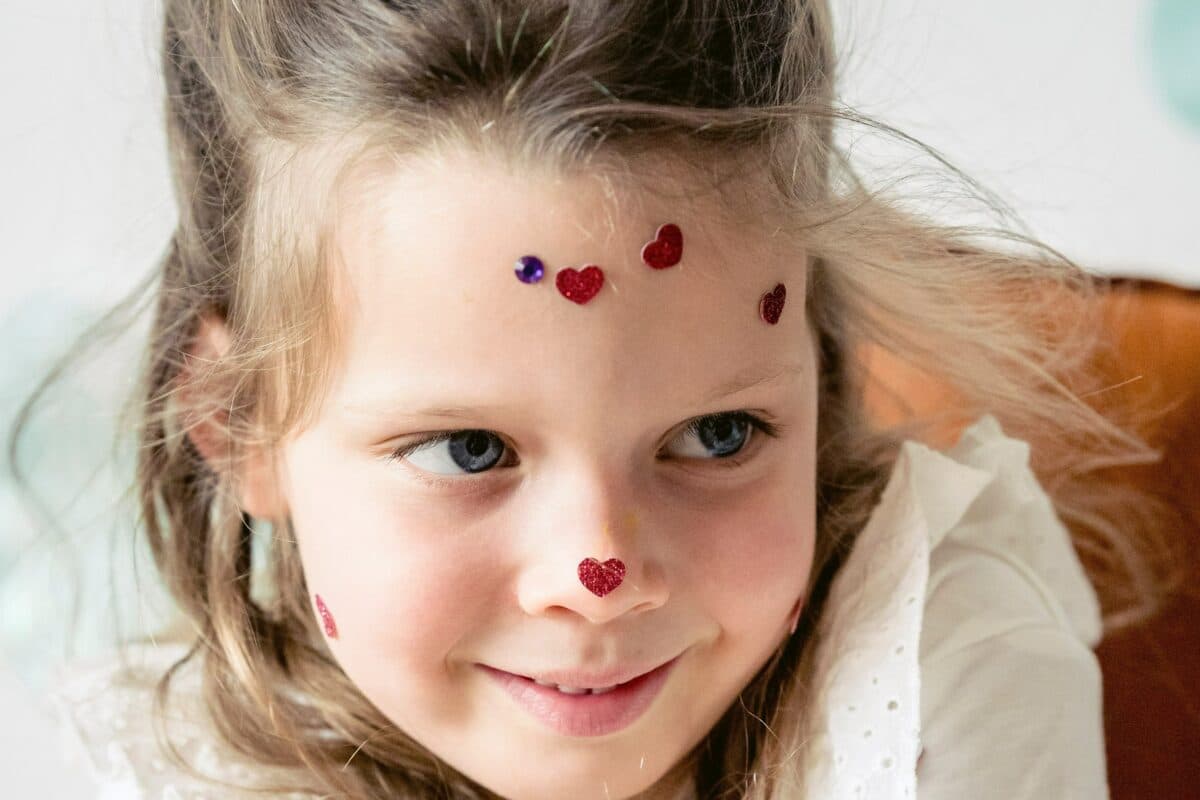
Red, itchy skin can be physically exhausting, but the psychological effects of eczema should also be taken seriously. Many children with eczema develop low self-esteem because of the skin condition. In this article, you will find out how self-confidence can be built up again and what parents can do to help.
Appreciating the child strengthens self-esteem
Eczema can affect children's self-confidence in various ways. The skin condition is a visible condition and can trigger feelings of shame. In moderate and severe cases, some children are also limited in taking part in sports activities. And unfortunately, negative remarks and teasing can also be more common for children with eczema.
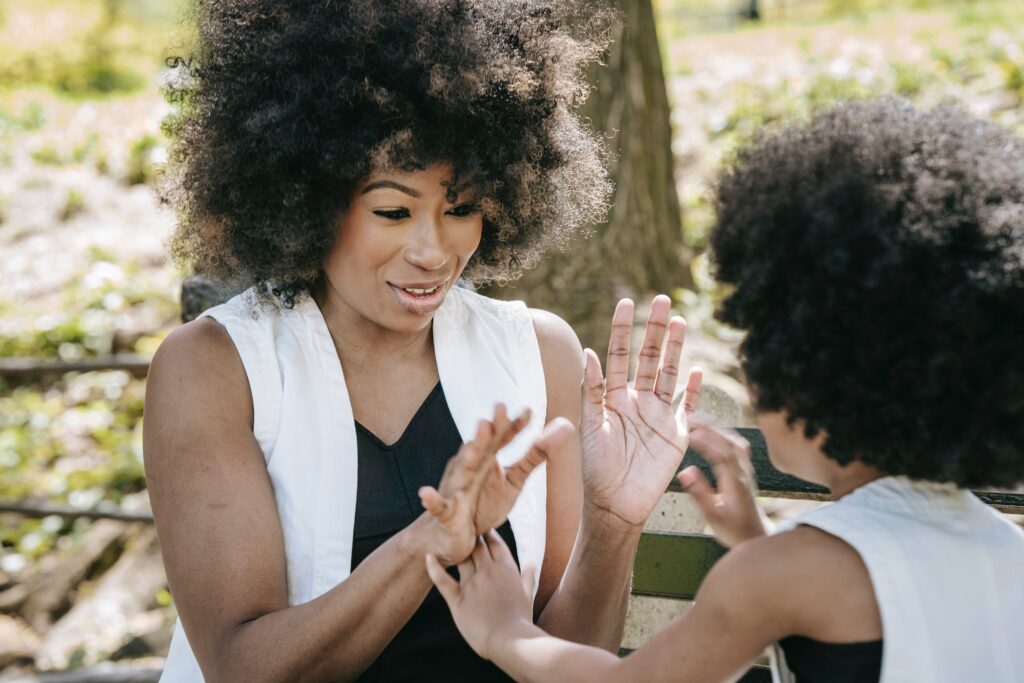
Children's self-image is shaped by their bond with their parents, especially in the first ten years of life. That is why praise, appreciation and hugs are so important and effective for the development of a child's self-esteem. After all, regardless of their weaknesses and mistakes, children want to be loved for who they are. Support through encouraging words and attention is therefore an effective first step towards strengthening children's self-esteem.
Eczema is not a child's core identity
Children can learn that their core identity is not their skin condition. Doctors and parents can support the child by encouraging this separation of condition and identity. The following tips help with this:
- A hobby or a passion that brings the child joy. When all the attention is not on eczema alone but on a positive activity, that in itself has benefits. On top of that, through a hobby like this the child can often make contacts with other children and build a social network.
- You are not alone! That is a feeling we all need sometimes. But with chronic conditions such as eczema, it is especially important. It is fostered by exchanging experiences with others, for example in support groups or through support in patient groups.
Tips for parents and child
The situation of a child with eczema can also become very challenging for parents. The following tips help both the affected child and the parents to engage actively in dealing positively with the skin condition and to find support in various ways:
- Raise awareness at school: In agreement with the child, parents can get in touch with teachers at the school and talk about eczema and how to deal with it in class. For example, they can explain that the eczema is not contagious. This builds awareness and understanding of children with eczema at school.
- Ask the child about their sleep: Sleep is important physically as well as mentally. With enough sleep, the child can also concentrate better at school and will feel more self-confident.
- Professional help: Seeing a psychotherapist can be very helpful in coping with the strain of the skin condition.
- Talk to close and trusted people: It can help people with eczema and their families to talk to friends or family about how eczema weighs on them emotionally. Putting problems into words and having someone who listens makes us feel better.
Ultimately, self-confidence grows out of self-acceptance. For every person with eczema, it holds true that they are not to blame for the skin condition and may feel accepted and valued, just like everyone else.
Sources:
- Vivar, K. L., & Kruse, L. (2017). The impact of pediatric skin disease on self-esteem. International journal of women’s dermatology, 4(1), 27–31. https://doi.org/10.1016/j.ijwd.2017.11.002
- Nguyen, C. M., Koo, J., & Cordoro, K. M. (2016). Psychodermatologic Effects of Atopic Dermatitis and Acne: A Review on Self-Esteem and Identity. Pediatric dermatology, 33(2), 129–135. https://doi.org/10.1111/pde.12802
- https://nationaleczema.org/students-with-eczema-have-lowered-self-esteem-due-to-bullying/ accessed 16.02.2022
- https://www.verywellhealth.com/coping-with-emotions-and-eczema-5072312#toc-the-emotional-impact-of-eczema accessed 16.02.2022
- https://www.webmd.com/skin-problems-and-treatments/eczema/features/eczema-positive-image accessed 16.02.2022