
Eczema in siblings: causes and how to deal with it
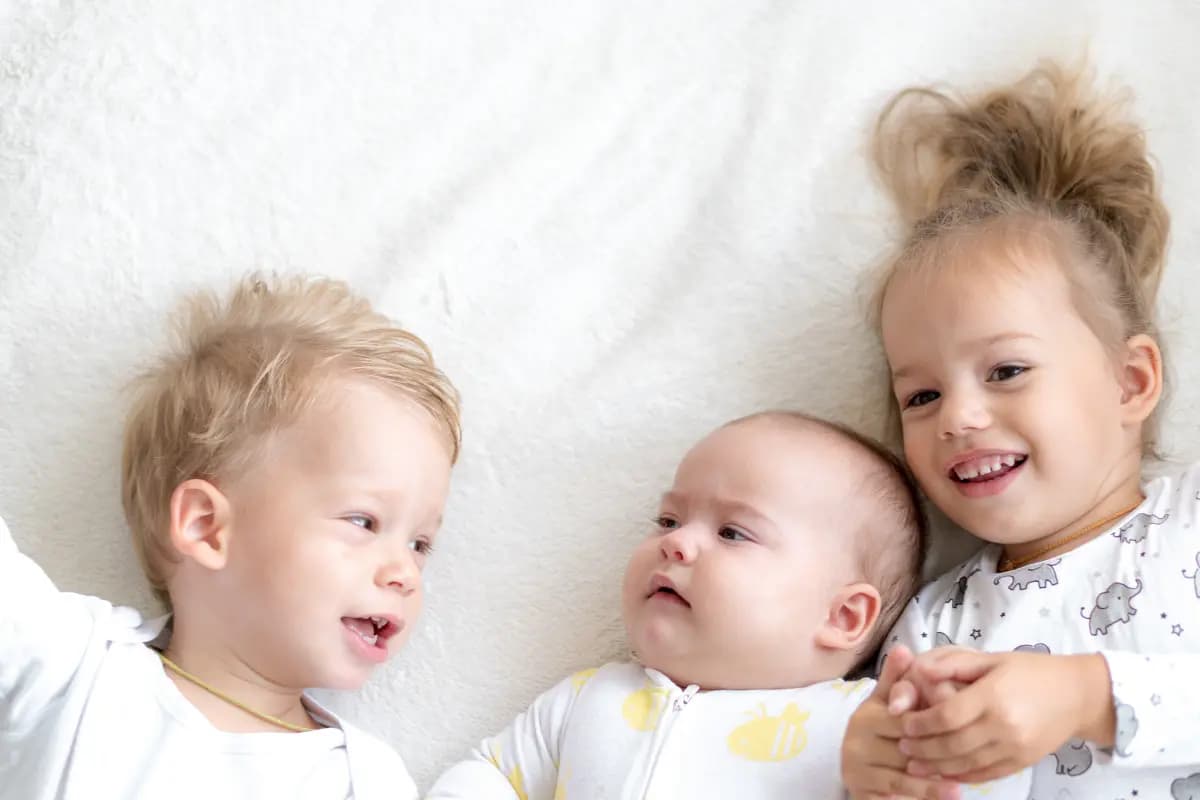
Atopic dermatitis (eczema) is a chronic inflammatory skin disease characterised by dry, itchy skin and recurring eczema patches. Although the condition is not contagious, in affected families it often appears in several family members at once. But why is eczema so common among siblings in particular? In this article, you will learn more about the reasons for this and about the dynamics that can arise in families where one or more children have eczema. We look at treatment options for eczema, its psychological and social effects, and practical tips to make living with the condition easier for everyone involved.
The link between eczema in siblings
Genetic factors play a significant role in how eczema develops. The fact that this chronic skin disease often occurs several times within a family indicates that hereditary components contribute strongly to its development. If one child in the family has eczema, the likelihood that siblings may also be affected is increased. In fact, studies show that genetic susceptibility, combined with environmental factors, considerably increases the risk of developing atopic dermatitis.
The genetic predisposition to atopic dermatitis is often influenced by mutations in genes responsible for the skin barrier function and the immune system. A well-known example is the filaggrin gene, which plays a key role in maintaining the skin barrier. Filaggrin is our natural moisturising factor. Mutations in this gene can lead to a weakened skin barrier, which makes the skin more susceptible to irritants and allergens and so increases the risk of eczema. If parents carry such genetic mutations, they can pass them on to their children, which increases the likelihood that several siblings will develop eczema.
Children who grow up in the same home are also often exposed to similar environmental factors (food, climate or allergens), which can also contribute to several siblings being affected.
Eczema in several siblings
If several siblings have eczema, it is important to create individual care plans that meet each child’s specific needs. Consistency in care and a supportive environment are crucial here.

What can you do about eczema in children?
Regular moisturising, avoiding trigger factors and using suitable medication can ease the symptoms. Close cooperation with dermatologists and, where necessary, other specialists is also important.
Eczema in siblings: a family challenge
Eczema does not only affect the lives of those who have the condition themselves; it also has effects on the family environment. If several siblings are affected, this can have a considerable impact on family dynamics.
Siblings without eczema may feel neglected while the parents try to meet the special needs of the affected children. The children without eczema may feel that their needs and worries matter less, as the focus is often on the affected child. This feeling of neglect can lead to emotional and psychological problems such as low self-esteem or jealousy. So siblings who are not affected can also suffer from the burden the condition brings.
Coping as a sibling who has eczema
The child with eczema should learn to talk openly about their condition and to accept help. It is important that they do not feel isolated and realise that there is support from the family and possibly also from peers with similar experiences.
Tip for parents: give attention
As a parent of children with eczema, it can be challenging to balance the needs of an affected child without the siblings feeling neglected. Here are some tips on how you can meet the needs of all your children:
- Individual time: Deliberately plan time that you spend with each child on their own. This could be a weekly outing, a special hobby or simply an activity together at home. The quality of the time you spend with each child is what counts. These individual moments help every child feel loved and valued.
- Family time together: Besides individual time, it is important to plan regular family activities. These can be shared meals, games evenings or outings in which all the children are involved. These shared experiences strengthen the sense of belonging and the family bond.
- Open conversations: Explain the situation and the special needs of their sibling with eczema openly to your children. Transparency is the key to avoiding misunderstandings and jealousy. When siblings understand why certain measures are necessary, they are more likely to develop empathy and patience.
- Inclusive activities: Find activities that all your children can enjoy and in which nobody feels left out. These can be crafts, cooking, sport or board games together. Activities like these foster a sense of community and strengthen the bond between the siblings.
- Education and awareness: Inform yourself and your children about eczema and the challenges that come with it. The more you all know about the condition, the better you can deal with it.
- Outside support: If the strain becomes too great, don’t hesitate to seek outside help. This can take the form of family therapy, counselling services or support groups. Professionals can offer valuable tips and support to make family life easier.

Eczema can be challenging not only for those who have it, but for the whole family.
Tips for a harmonious family life with eczema
It is important to find a balance so that all children feel equally loved and supported and none of them suffers because of the special needs of the affected sibling. Regular family meetings are a central starting point. These conversations offer a valuable platform to talk openly about the needs and wishes of all family members. Everyone should have the opportunity to express their thoughts and feelings without fear of rejection or lack of understanding. Open dialogue like this fosters mutual understanding and helps avoid misunderstandings and petty jealousies.
Another important step is finding balance in everyday family life. Make sure that the needs of all children are taken into account equally and that no one is neglected. This often requires careful planning and conscious decisions. Plan specific times that you spend with each child individually to make sure that everyone feels equally valued. Family activities in which all siblings can take part also strengthen the sense of community and the family bond.
Family problems caused by eczema
If tensions within the family increase, it is advisable to consider family counselling or therapy. Professional counselling can help resolve conflicts and strengthen the family’s cohesion.
Siblings with eczema: helping each other
The whole family should form a supportive network. Shared rituals and a positive attitude can help make living with the condition easier. Open communication and mutual support are essential here.
Strengthening family cohesion
Siblings who fight a chronic disease together can develop a special bond. They learn to show compassion, support and understanding for each other, which strengthens their relationship in the long term.
Summary and outlook
Eczema in siblings is often a challenge, but it can also offer an opportunity to strengthen the family bond. It is advisable to plan regular dermatological check-ups for all children in the family, especially if one sibling has already been diagnosed. Early detection and intervention can help control the symptoms and prevent severe flare-ups. Good cooperation with dermatologists and allergists can be crucial in developing care plans that meet each child’s individual needs.
You can find more useful information and support for everyday life in our Nia app. Our app offers you a personal eczema diary, recommendations and articles and videos based on the AGNES eczema training. Download the app now from the App Store or Google Play and start your journey to better control of your eczema.
Sources:
- Langan, S. M., Irvine, A. D., & Weidinger, S. (2020). “Atopic dermatitis”. The Lancet, 396(10247), 345-360. https://www.thelancet.com/journals/lancet/article/PIIS0140-6736(20)31286-1/abstract
- Weidinger, S., & Novak, N. (2016). “Atopic dermatitis”. The Lancet, 387(10023), 1109-1122. https://www.thelancet.com/journals/lancet/article/PIIS0140-6736(15)00149-X/abstract