
Higher risk of COVID-19 infection with eczema?

Although we have now been living with the coronavirus for more than two years, it is still a relatively new virus, and research is constantly gaining new insights into SARS-CoV-2. A study has now examined the link between atopic dermatitis and a coronavirus infection.
Until now, it was not assumed that people with eczema have a particularly increased risk of infection with SARS-CoV-2. This theory is now being called into question by the results of a large-scale study by the Yale School of Medicine in the USA.
More comorbidities in people with eczema
The data of 11,752 patients with atopic dermatitis were compared with the data of 47,008 people without atopic dermatitis and analysed. The research group found that people with atopic dermatitis suffered from comorbidities more often than the general population.
The researchers found cardiovascular disease, high blood pressure, raised blood lipid levels, type 2 diabetes, other autoimmune diseases and tumours particularly often. Many of these conditions are considered independent risk factors for a coronavirus infection and for severe courses of the infection.
COVID-19 infections occurred more often with atopic dermatitis
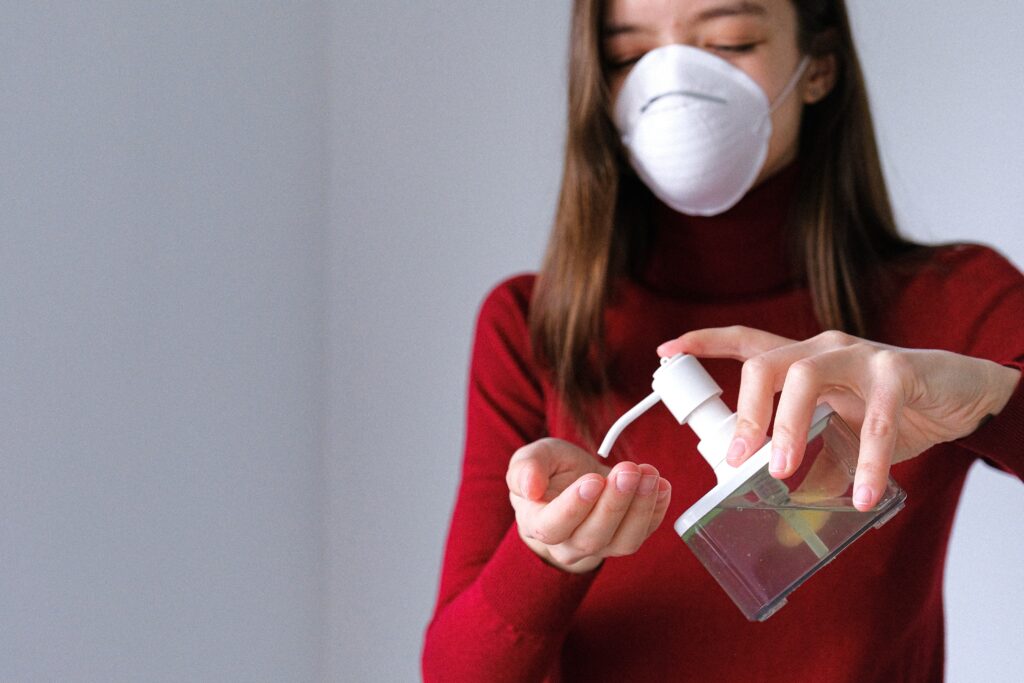
Another finding of the study was that coronavirus infections occurred more often among people with eczema than in the control group. This effect remained even after the researchers had adjusted the results for the influence of comorbidities.
The study therefore provides first indications that coronavirus infections occur more frequently among people with atopic dermatitis. The research group assumes an approximately 29% higher risk of infection with SARS-CoV-2.
This makes it all the more important for people with eczema to take advantage of vaccination and the protection against SARS-CoV-2 it provides. Patients with atopic dermatitis who are not yet vaccinated, or not fully vaccinated, should get adequate and complete vaccine protection in line with the recommendations of the Ständige Impfkommission (STIKO, Germany's Standing Committee on Vaccination). This includes the booster vaccination.
→ Read on here for everything important about the booster vaccination with eczema
Further studies are to clarify the link
When looking at the results, however, it must be borne in mind that the study did not include any information on the severity of the atopic dermatitis or on treatments. Further limitations are the missing data on symptoms of the coronavirus infections and the high number of unreported asymptomatic or unrecorded infections.
People with atopic dermatitis also probably see doctors or visit healthcare facilities more often. As a result, they may also have been tested or diagnosed more often than the general population.
Although this study provides first data, further research is needed to gain better insight into the link between atopic dermatitis and an infection with SARS-CoV-2. How comorbidities in atopic dermatitis influence the risk of infection also needs to be examined more closely.