
Eczema around the eyes: recognising and treating eyelid eczema – 5 tips you need to know!
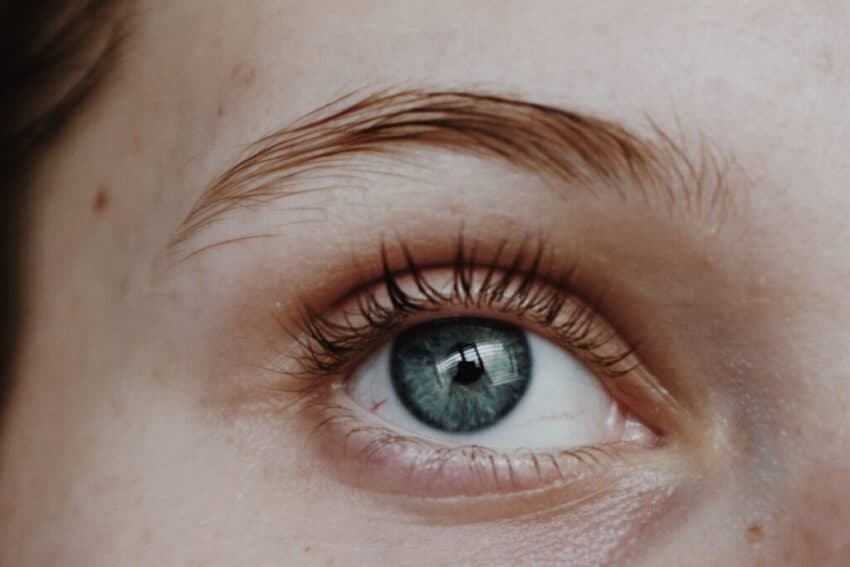
Eczema around the eyes: when an eczema flare-up affects the skin around the eye, it is also called eyelid eczema. Red, cracked, itchy or dry skin around the eye, and especially on the upper and lower eyelids, are typical symptoms. Eyelid eczema occurs in about 15–20% of people with atopic dermatitis.
The skin that directly protects our eyes is much more sensitive and thinner than other areas of skin on our body. But it is precisely these properties that make eczema more likely to develop. Our eyelids are among the most vulnerable areas of skin on our body: in every season they are often exposed to the environment without protection.
Eczema around the eyes? Finding the right diagnosis!
Atopic dermatitis itself is one cause of inflamed skin around the eyes. In this context, people often speak informally of “eczema eyes”. However, many people with atopic dermatitis also have allergies. Another very common cause of eyelid eczema is so-called allergic contact dermatitis. Contact dermatitis is an allergic reaction to certain substances. Some examples of such triggers are:
- cosmetic products (mascara, make-up)
- fragrances
- nail polish
- certain metals in the air (nickel, gold)
- environmental influences such as cold and wind.
Even if the irritants are not applied directly to the eye, they can cause symptoms there. With eyelid eczema, usually both eye areas are affected. If only a single eyelid is affected, this can instead be a sign of allergic contact dermatitis. Do you find that your eczema can mostly be treated and controlled successfully, but your eyelids keep getting red and itchy despite anti-inflammatory ointments? Then it makes sense to see a doctor specialising in dermatology (skin) or allergology. The doctor will ask you about existing allergies and diagnoses and may do an allergy test.
Remember: Eczema around the eyes can have different diagnoses. The diagnosis needs a medical assessment from dermatology or allergology. If you notice that you are allergic to certain substances or products, or the usual treatment isn't working, talk to your doctor about it.
If you have not only symptoms of eyelid eczema but also those of conjunctivitis, however, this is a warning sign. Red, itchy and watery eyes, swollen eyelids and a feeling that something is in your eye are the first signs of the allergic eye disease “atopic keratoconjunctivitis” (AKC). AKC can take a very severe course and can even lead to blindness. So if you suspect it, see an ophthalmologist (eye doctor) straight away.
Goodbye eczema eyes: protect your eyes with the right habits
Scratching or rubbing the affected areas can make the eczema flare-up around the eye spread or cause cracks. So try to avoid hard rubbing or scratching. At first, cooling compresses can relieve the itching.
For medical treatment, topical glucocorticoids are best suited: anti-inflammatory ointments that are applied thinly to the eyelids for a short time. They are commonly called “cortisone”. These ointments quickly improve the symptoms and should only be used for a short time and no more than once a day.
An alternative to corticosteroid ointments are so-called topical calcineurin inhibitors. These are also anti-inflammatory ointments that can be used on the eyelid for a short time. A dermatologist can prescribe the right medicine for your individual skin condition.
Tip: Store your ointments somewhere as cool as possible. They should not be kept cold (below the minimum temperature stated on the packaging). The cooling effect when you apply them to the skin can help ease the itching or burning of eczema around the eyes.
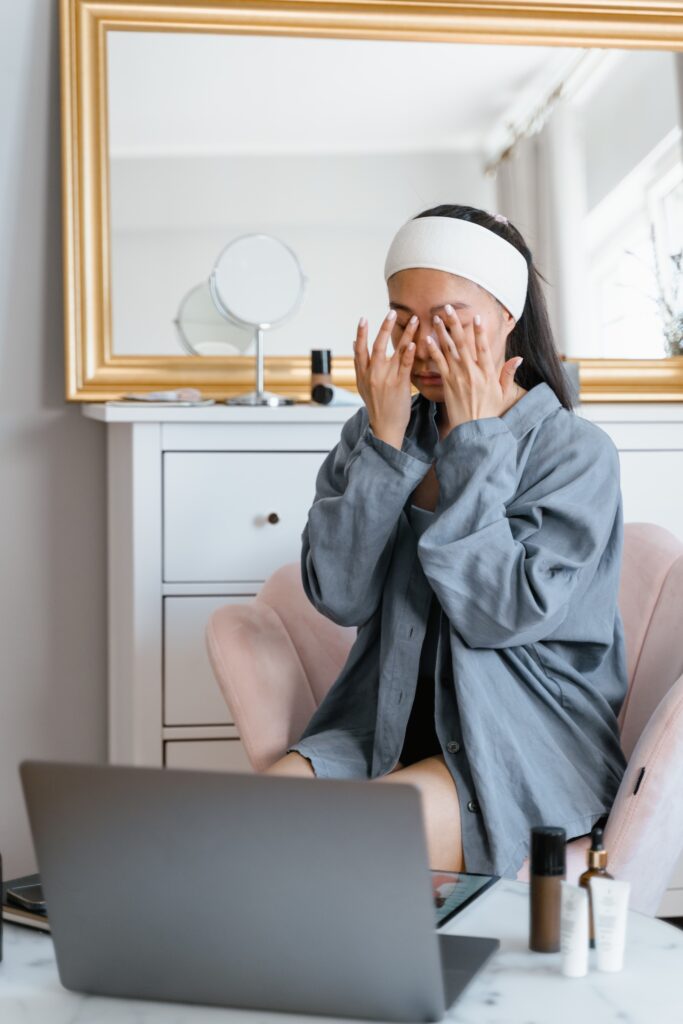
With eczema around the eyes, it is really important to try not to scratch. This can make the eyelid eczema spread. Cooling ointments can relieve the itching instead.
Caring for eczema around the eyes properly
Besides medical treatment, regular basic skin care is important. Be gentle with your skin and preferably avoid harsh cleansing products or soaps. Wash your face with cold to lukewarm water and care for it consistently with lipid-replenishing and moisturising creams.
Tip: Use creams that have been developed for eczema and are free from fragrances. You can get advice at the pharmacy and try out different cream samples first.
When applying creams and drying your face, you can take care not to press too hard by rubbing or massaging. Instead, you can use a soft towel to pat your face dry and dab the creams on gently.
The symptoms of eczema around the eyes can be made worse by scratching or rubbing, which can lead to a further flare-up or even cracks. That is why it is crucial to avoid hard rubbing. Cooling compresses applied to the affected areas can be a first step to relieve the itching.
In medical treatment, topical glucocorticoids, also known as cortisone, have proven effective. These anti-inflammatory ointments are applied thinly to the eyelids and often lead to a quick improvement in symptoms. However, it is important to use these ointments only for a short time and no more than once a day.
Alternatively, topical calcineurin inhibitors can be used. These ointments, which are also anti-inflammatory, are an option and should be used as recommended by your doctor. It is a good idea to store the ointments in a cool place, but not below the minimum temperature stated on the packaging, to boost the cooling effect and ease itching or burning.
Besides medical treatment, regular basic skin care plays a crucial role. It is important to avoid harsh cleansing products or soaps and to wash your face with cold to lukewarm water. Care products should be lipid-replenishing and moisturising. Fragrance-free creams developed specially for eczema are best. Advice at the pharmacy and trying out different cream samples can help you find the right care.
When applying creams and drying your face, it is important to use gentle pressure to avoid irritation. A soft towel for patting dry can help. The creams should be applied gently and not massaged in hard.
When dealing with eyelid eczema, it is important to develop coping strategies. Many people with eczema on the face feel ashamed or self-conscious because of noticeable patches of skin around the eye. This article offers tips and explanations for dealing with eczema around the eyes. However, it is important to stress that different treatments work differently, and it takes time to find the most suitable treatment.
Your skin condition does not define who you are. Even if it appears on the most sensitive skin of the body, that does not mean you have to define yourself by it. It is crucial to cultivate self-acceptance and to remind yourself that your outward appearance does not determine your worth.
Continued: coping strategies for dealing with eyelid eczema
Steps towards self-acceptance are crucial for strengthening your self-esteem. If the noticeable patches of skin around your eye make you feel self-conscious, it can help to remind yourself that these outward features are only a small part of your whole personality. Self-compassion and the ability to look beyond your outward appearance play an important role in dealing with eczema around the eyes.
The challenge is not only to respond to the skin symptoms, but also to cope with the emotional side. Support from friends, family or even professional help can be valuable in this process. Talking with people who have had similar experiences can bring emotional relief and pave the way to a positive self-image.
The process of self-acceptance is individual and takes time. Keeping a journal to reflect on your own thoughts and emotions can help. Being aware of your own strengths and focusing on the positive sides of life can help you cope with the emotional challenges of eczema around the eyes.
Another approach to coping with eczema around the eyes is to develop strategies to minimise itching and reduce skin irritation. Here, in summary, are five preventive measures that people with eczema can consider:
- Cool compresses: Applying cool compresses to the affected eye area can relieve itching and at the same time help reduce inflammation.
- Avoiding irritants: Identify and avoid potential triggers such as fragrances, cosmetics or other irritating substances. Choosing hypoallergenic care products can help minimise further irritation.
- Relaxation techniques: Stress can have a negative effect on eczema. Relaxation techniques such as meditation, yoga or breathing exercises can help reduce stress and relieve itching.
- Regular skin care: Consistent basic skin care is crucial to strengthen the skin barrier. Using lipid-replenishing and moisturising creams developed specially for eczema supports skin health.
- Watch your diet: Some people report that their skin symptoms improve with an adapted diet. It can help to watch for possible links between certain foods and the appearance of eczema around the eyes: use the Nia app to document this!
A holistic view of dealing with eczema around the eyes covers both emotional and practical aspects. An individual approach that takes your personal needs and challenges into account is crucial here.
In some cases, it may be necessary to consider professional medical interventions. A dermatologist or ophthalmologist can offer specific recommendations and therapies to treat eczema around the eyes in a targeted way. Here are some professional approaches:
Topical glucocorticoids: The use of anti-inflammatory ointments, also known as topical glucocorticoids or commonly as “cortisone”, can help with acute flare-ups of eczema around the eyes. It is important to use these medicines according to your doctor's instructions to minimise possible side effects.
Topical calcineurin inhibitors: As an alternative to glucocorticoids, topical calcineurin inhibitors can be prescribed. These medicines also have anti-inflammatory properties and are applied to the affected areas of skin.
Antihistamines: For severe itching, antihistamines in the form of tablets or ointments can bring relief. These medicines block histamine, a messenger substance that is responsible for itching.
Immunomodulators: In some cases, immunomodulating medicines can be prescribed to regulate the immune system and reduce inflammation.
Phototherapy: Treatment with ultraviolet (UV) light can have positive effects in some people with eczema. However, this phototherapy should be carried out under medical supervision.
Besides professional treatment approaches, self-care and lifestyle changes play a crucial role in dealing with eczema around the eyes. Here are seven proven practices that can help relieve symptoms and prevent flare-ups:
- Basic skin care: Regular, gentle care of the skin around the eyes is crucial. Use hypoallergenic, fragrance-free creams developed specially for eczema. These should moisturise the skin and at the same time replenish its lipids.
- Avoiding irritants: Identify potential irritants and allergens that could trigger eczema around the eyes. These can include cosmetic products as well as environmental factors such as wind and cold. Using hypoallergenic, fragrance-free products and wearing sunglasses in windy weather can help.
- Temperature control: Extreme temperatures can make eczema worse. Try to control the temperature around you to avoid overheating or getting too cold. This applies especially to the use of heating in winter and air conditioning in summer.
- Stress management: Stress can have a significant effect on eczema. Integrative stress management techniques such as meditation, deep breathing or yoga can help reduce stress and so minimise potential flare-ups.
- Diet: Although the direct link between diet and eczema is not the same for everyone, certain foods can be triggers. Keep a food diary and note whether certain foods correlate with flare-ups. The digital diary in the eczema app Nia helps you with this. If you are unsure, consult a nutrition specialist or allergist.
- Hydration: Drinking enough fluids is important to keep the skin hydrated from the inside. Make sure you drink enough water to support the skin's elasticity.
- Sleep: Healthy sleep is crucial for skin regeneration. Try to keep a regular sleep pattern and create a sleep environment that supports restful sleep.
These self-care practices should be seen as complementary measures to a treatment prescribed by a doctor. Combining professional care with your own self-care can help improve the quality of life of people with eczema around the eyes.
The quality of life of people with eczema around the eyes can therefore be significantly improved through targeted changes in everyday life and a positive attitude. Here are some more aspects to consider:
Minimise contact with allergenic substances: Reduce contact with known allergens and irritants. This can include wearing protective glasses outdoors, avoiding heavily perfumed products and washing bed linen and towels with hypoallergenic detergents.
Sun and UV protection: The sensitive skin around the eyes is prone to sun damage. Use sunscreens with a high sun protection factor and wear sunglasses with UV protection when needed.
Healthy diet: A balanced diet with plenty of fruit, vegetables, wholegrain products and omega-3 fatty acids can support overall skin health. A nutritionist can help you develop a nutrition plan tailored to your needs.
Social support: Living with eczema can be emotionally draining. Look for support in the form of support groups, or talk to friends and family about your challenges. Talking with other people who have eczema can be a relief.
Changes at work: If your eczema around the eyes is made worse by strain at work, consider possible changes at your workplace. This can include using a humidifier, protection from draughts or, if needed, adjusting your working hours.
Psychotherapy: In some cases, psychotherapy can help you cope with the psychological strain that comes with eczema. An experienced therapist can help you develop effective coping strategies.
Alternative therapy approaches: Some people find relief through alternative therapy approaches such as acupuncture, homeopathy or aromatherapy. Bear in mind, however, that these approaches can work differently from person to person, and always consult a doctor before you try alternative therapies.
It is important to stress that the impact of eczema on quality of life varies from person to person. An individually tailored approach that takes both medical and holistic aspects into account can help you gain control over the condition and live a fulfilling life.
In conclusion, despite the challenges the condition brings, people with eczema around the eyes can explore many ways to improve their quality of life. Advances in medical research and the variety of treatment options available give hope for a better future for everyone affected by eczema.
Every treatment should always be tailored to the individual. An experienced doctor can take the specific needs of each patient into account and make a tailored treatment recommendation.
It is a good idea to keep yourself regularly informed about new treatment options and recommendations. The last section of this article sums up some practical tips once more for coping with everyday life with eczema around the eyes:
Make-up and skin care: With eczema around the eyes, the choice of make-up and skin care products is crucial. Use hypoallergenic and fragrance-free products to minimise irritation. Before going to bed, it is important to remove all traces of make-up and care for your skin thoroughly.
Diet and lifestyle: A balanced diet and a healthy lifestyle can have a positive effect on the course of eczema. Make sure you drink enough fluids, eat omega-3 fatty acids and try to minimise stress, as this can affect the condition of your skin.
Skin protection in everyday life: Avoid too much sun, wind and cold, as these factors can make symptoms worse. Wear sunscreen and protective glasses to protect your eyes from UV rays. In wind and cold, you should try to cover your face and eye area.
Psychological support: Eczema can be a strain not only physically but also emotionally. Seek professional psychological support if you need it. An experienced therapist can help you cope with stress, anxiety or depression that can come with the condition.
Active communication with your doctor: Working together with dermatologists or allergists is crucial. Share all changes in your symptoms and find out about new treatment options. Regular check-ups are important to monitor the course of the condition and make adjustments. The free smartphone app Nia supports you with this.
Finally, it should be stressed that everyone responds differently to treatments. It is important to understand the individual needs and reactions of your own body. The tips and strategies listed here are meant as general guidelines, but they do not replace professional medical advice.
Successfully coping with eczema around the eyes often takes patience and perseverance. Ongoing communication with a healthcare team and adjusting your care habits to the current needs of your skin are crucial.
An open and positive attitude towards dealing with eczema around the eyes can make an important contribution to your quality of life. Stay informed, pay attention to what your skin needs and don't let setbacks discourage you.
Coping strategies for dealing with eyelid eczema
You look in the mirror and feel self-conscious because the red or scaly patches of skin around your eye are immediately noticeable? You are not alone: many people with eczema around the eyes feel ashamed or self-conscious. In this article you will find some tips and explanations for dealing with eczema around the eyes. However, different treatments work better or worse for different people. Give yourself some time to find out which treatment suits you best. In the end, a skin condition does not define who you are. Not even when it appears on the most sensitive skin of the body.
Sources:
- Beltrani VS. Eyelid dermatitis. Curr Allergy Asthma Rep. 2001 Jul;1(4):380-8. doi: 10.1007/s11882-001-0052-0. PMID: 11892062.
- Peralejo B, Beltrani V, Bielory L. Dermatologic and allergic conditions of the eyelid. Immunol Allergy Clin North Am. 2008 Feb;28(1):137-68, vii. doi: 10.1016/j.iac.2007.12.004. PMID: 18282550.
- Crouse L, Ziemer C, Ziemer C, Lugo-Somolinos A. Trends in Eyelid Dermatitis. Dermatitis. 2018 Mar/Apr;29(2):96-97. doi: 10.1097/DER.0000000000000338. Erratum in: Dermatitis. 2018 May/Jun;29(3):175. Ziemer, Caroline [corrected to Ziemer, Carolyn]. PMID: 29494383.
- https://www.healthline.com/health/eyelid-dermatitis#_noHeaderPrefixedContent, accessed on 06.01.2022
- https://www.medicalnewstoday.com/articles/321004#treatment, accessed on 05.01.2022
- Zirwas, MJ. Pearls for the Diagnosis and Management of Eyelid and Lip Dermatitis. With sensitivity to diagnostic clues and initiation of appropriate therapeutic strategies, clinicians can eliminate irritant dermatitis of the lips and eyelids. 2008 Oct; practical dermatology
- https://www.neurodermitis-hautwissen.de/neurodermitis-augen.html, accessed on 05.01.2022
- https://www.pharmawiki.ch/wiki/index.php?wiki=Augenlidekzem, accessed on 06.01.2022
- https://biermann-medizin.de/atopische-keratokonjunktivitis-fuer-neurodermitiker-ist-besondere-vorsicht-geboten/, accessed on 12.01.2022