
Swimming and bathing with eczema
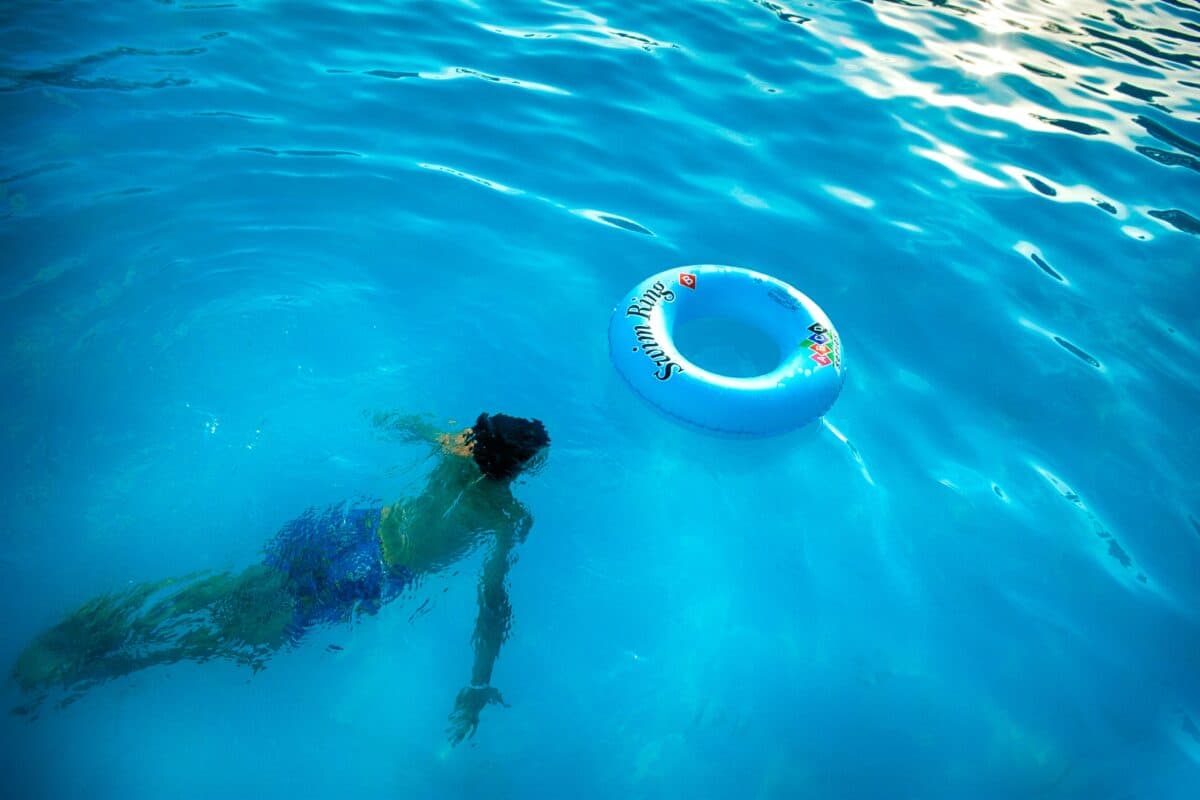
Swimming in outdoor pools and lakes is one of the favourite summer activities for many people. If you follow a few tips, there is nothing to stop people with eczema enjoying a swim too.
Chlorinated pools can cause problems
With eczema, the skin's protective barrier function is impaired, and sun and chlorinated water can additionally irritate the sensitive skin. The chlorine used for disinfection in swimming pools in particular can irritate the skin of people with eczema and make inflammation and itching worse. The better alternative for people with eczema is therefore lakes, which contain no chlorine.
Some swimming pools also use ozone systems for disinfection. However, this method is not yet very widespread, and it is best to ask the local public health office or the pool itself which method is used.
Salt water can ease skin problems
On holiday by the sea, many patients with eczema notice an improvement in their symptoms. Salt water can have a positive effect on the skin, especially in combination with a low-allergen climate, as is often found on the coast.
The combination of sun, salty seawater and sea air rich in aerosols can ease eczema symptoms and have a positive, stimulating effect on the body. Brine baths, which can be found in many places in Germany, can also have a similar effect to seawater.
Repeated contact with water can weaken the skin's protective function
Prolonged or repeated contact with water can attack the skin's natural acid mantle and wash away the skin's own lipids. Here, too, the fresh water in lakes is less aggressive than salt or chlorinated water.
Dry skin and itching, which can occur after bathing, weaken the skin's protective function and make it more vulnerable to harmful germs and bacteria. If your skin becomes red, feels tight or itches while you are in the water, it makes sense to get out. It can then help to rinse your skin off quickly in the shower and apply cream so that it can recover.

Extra care for your skin after bathing
After bathing, it is important to clean your skin thoroughly with water and then apply cream. Mild, emollient products soothe skin irritated by sun and water and give it moisture. To avoid further irritation, it is best to use care products designed for the skin of people with eczema that contain no colourings, fragrances or preservatives.
If the skin is carefully cared for before and after bathing, patients with eczema can also enjoy summer by the sea and at the outdoor pool without worry.