
Eczema on the face: avoid these 7 common causes

Eczema on the face: like our hands, our face is exposed to all kinds of external influences every day. Cold or dry air, changes in temperature, water or make-up are just some of the possible factors that can encourage eczema to develop on the face.
When the skin then reacts with irritation and inflammation, it is sometimes not easy at all to find out what is behind it. Each patient can also react differently to the same factor. In this article, you will find 7 common triggers for eczema on the face.
What triggers eczema on the face?
The exact causes of eczema on the face are not yet known. But there are several triggers or trigger factors that can encourage skin inflammation to appear. These include:
- air that is too dry or too humid
- big changes in temperature
- heat and sweating
- make-up or cosmetic products
- stress
- certain foods
- contact with textiles, for example wool in scarves
1. Air that is too dry or too humid
Dry indoor air in particular, as is often the case with heated air in winter, can dry out the sensitive facial skin of people with eczema and lead to a feeling of tightness and itching. A very humid climate can also make symptoms worse, for example through increased sweating, or because certain factors such as mites find better conditions in a humid climate.
2. Big changes in temperature
Many people with eczema on the face tolerate extremely cold or hot temperatures and frequent switching between warm and cold poorly, and the skin reacts with a flare of symptoms. In winter especially, moving between heated rooms and the cold outdoors can put a strain on the skin.

3. Heat and sweating
In the summer heat or when doing sport, you quickly start to sweat. But if sweat stays on the skin for too long, it can irritate the skin and make eczema symptoms worse. A practical way to dress is the so-called layering principle. You wear several layers of clothing on top of each other and can take one off or put one on as needed. That way you are prepared for different temperatures.
4. Make-up and cosmetic products
We all like to look good. The skin around the eyes and mouth in particular is very thin and sensitive and quickly reacts to make-up and other cosmetic products with irritation. During an acute flare-up, it is therefore better to go without make-up. But even in symptom-free periods, it is important not to overdo it with cosmetic products on your face. If you want to wear make-up, always make sure the products are well tolerated. Find out more about eczema and make-up in this article.
5. Stress
Stress is a common trigger of eczema symptoms. Itching in particular can get worse with emotional stress and inner restlessness. This in turn can lead to an eczema flare-up, because scratching damages the skin and encourages inflammation. Regular breaks and time to unwind are therefore important to counteract stress and the hustle and bustle of everyday life.
There are various ways to ease stress. Meditation, yoga, plenty of sleep, and also contact with good friends can reduce stress. Here you can find out more about eczema caused by stress and get helpful tips on what can help.
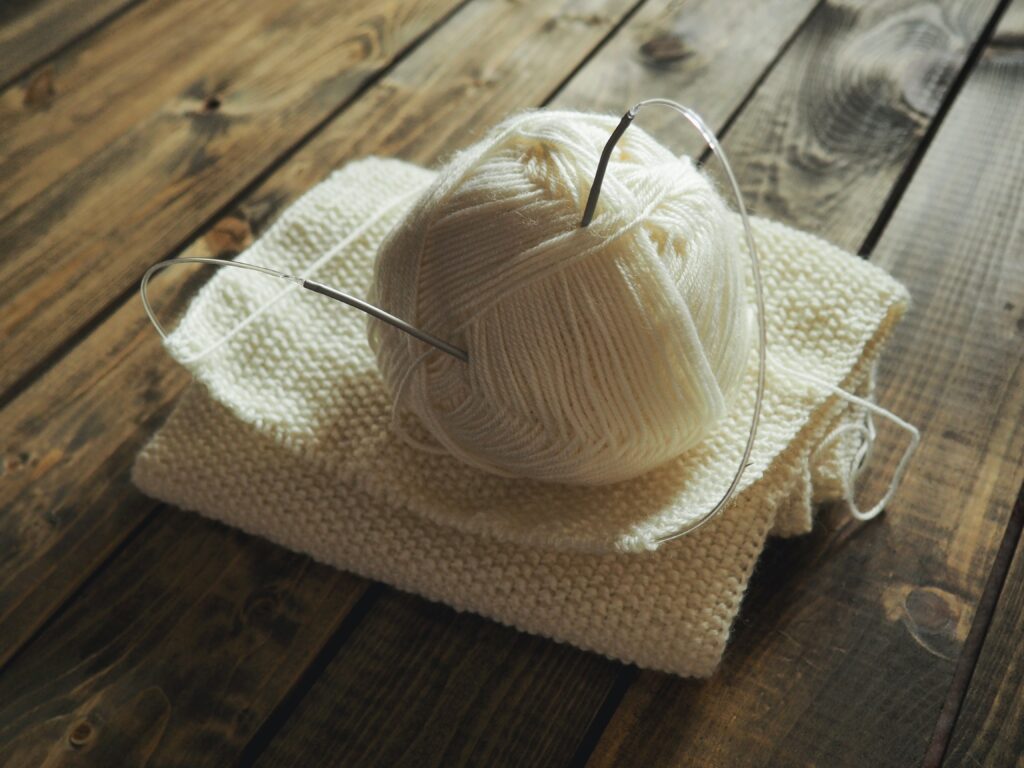
Certain textiles such as wool (for example in a headband or scarf) can also cause eczema on the face or make the itching worse.
6. Certain foods
Foods are very often suspected of being behind the symptoms or a flare-up. In fact, some people with eczema also have a food allergy or intolerance. Even so, this is not as common as people think. A suspicion should always be discussed with your doctor. Cow's milk, soya or wheat, for example, can often cause intolerance reactions.
7. Contact with textiles, for example wool
Many people with eczema are sensitive to certain textiles on their skin. This is often the case with scratchy fabrics such as wool or synthetic fibres. The skin can react with redness and itching, so these materials are best avoided. Clothing made of cotton, on the other hand, is a good choice, because it is breathable and gentle on the skin.
Do you have eczema on your face? Eczema can often show up on the face. If you would like to find out more about the causes of eczema on the face, you can find an overview here.
Sources:
Maarouf M, Saberian C, Lio PA, Shi VY. Head-and-neck dermatitis: Diagnostic difficulties and management pearls. Pediatr Dermatol. 2018 Nov;35(6):748-753. doi: 10.1111/pde.13642. Epub 2018 Aug 28. PMID: 30152560.
https://www.healthline.com/health/allergic-rhinitis#symptoms, 21.2.22
Zirwas MJ. Contact Dermatitis to Cosmetics. Clin Rev Allergy Immunol. 2019 Feb;56(1):119-128. doi: 10.1007/s12016-018-8717-9. PMID: 30421329.
https://www.medicalnewstoday.com/articles/atopic-dermatitis-vs-contact-dermatitis#differences , accessed on 21.2.22
https://eczema.org/information-and-advice/types-of-eczema/facial-eczema/, accessed on 22.2.22
https://www.webmd.com/skin-problems-and-treatments/eczema/eczema-face-manage, accessed on 22.2.22